
• By: Allen Brown

The Role Of Location Technology In Modern Senior Safety

Growing older should not mean giving up independence or the freedom to move around. Many seniors enjoy taking walks, visiting friends, shopping, and attending community events. However, concerns about falls, getting lost, or experiencing medical emergencies can make families worry about their loved ones’ safety, especially when they live alone.

One solution is location technology that helps identify seniors’ location when they need help. Older adults can use GPS-enabled devices, location sharing, and emergency alerts to stay connected when needed and maintain daily routines.

These technologies are becoming a crucial part of modern senior safety. This article explores how location technology can help people achieve independence, improve emergency response, and support families caring for senior citizens.

1. Helping Families Locate Seniors During Emergencies

One of the most valuable capabilities of location technology is to detect a senior’s location in an emergency. Older adults can suddenly become ill, fall, or become confused while away from home. In these situations, knowing their location helps you find them quickly.

Staying safe when travelling outside the home is especially important for seniors living in Canada. Unexpected medical emergencies can happen anywhere, whether it’s a walk around the neighbourhood, visiting family, or running errands.

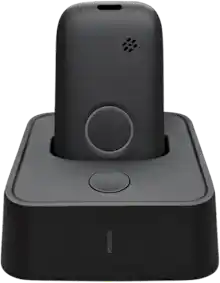
For instance, if a senior citizen is away from home, a mobile GPS tracker for seniors in Canada will supply location data.

Some GPS-enabled medical alert systems also have an SOS button that links users to trained emergency response specialists. If a senior calls for help, the specialist can evaluate the situation and decide whether emergency help is required.

Location accuracy may vary depending on the environment or when satellite reception is weak. Nonetheless, location information could help reduce the time it takes to determine where help is needed.

2. Supporting Independence And Active Lifestyles

Many senior citizens want to maintain their daily routines and live independently. They might like to walk around their neighbourhood, visit local parks, or go to social events. Limiting these activities because of safety concerns may affect their confidence and quality of life.

Location technology offers another approach. Families can choose appropriate location sharing as part of a safety plan without needing someone to accompany an older person.

This can increase opportunities for older people to do what they love. They can build social connections, exercise, and run regular errands while knowing support may be available if an emergency arises.

This is not designed to track all movements. It provides hands-on assistance while respecting personal choice, privacy, and independence.

3. Improving Emergency Response Outside The Home

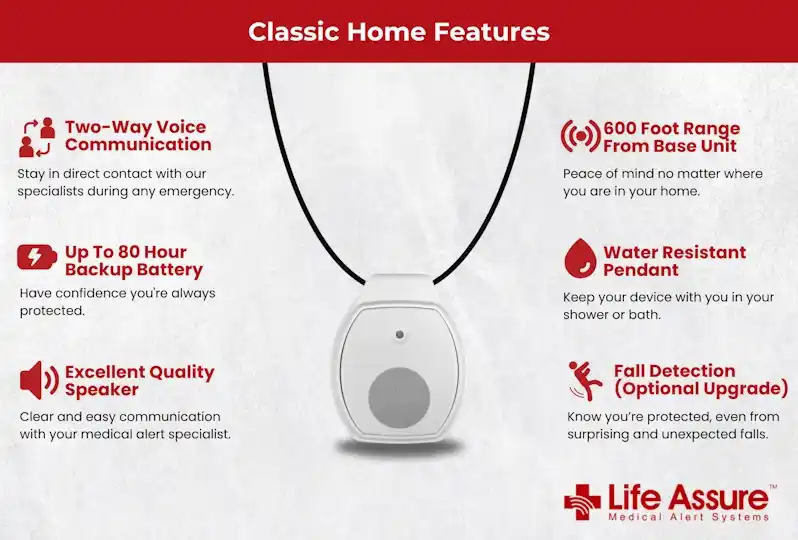
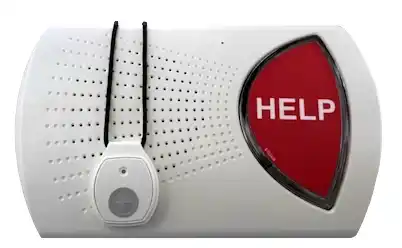
Traditional home-based medical alert systems are intended for use only in an emergency within the monitored area of the home. However, seniors can also have an emergency while shopping, travelling, or out in the community.

Mobile location technology helps address this limitation. With the right cellular network and a medical alert service plan, GPS-based medical alert devices can work outside the home.

If a senior has a medical emergency outside the home, they can press an SOS button to alert a professional monitoring centre. A medical alert specialist can speak with the user, determine what is happening, and arrange the necessary help.

When location information is available, the monitoring centre can also share it with emergency responders to help locate the senior.

This combination of mobile connectivity, professional monitoring, and location technology extends access to emergency help beyond the home.

4. Providing Additional Support For Seniors With Memory Difficulties

For some older adults, outings can be harder because of memory difficulties. Confusion or disorientation can lead them to forget familiar routes, become uncertain about their surroundings, or have difficulty explaining their location.

In these cases, location technology can help. Location-sharing options can help locate a lost older adult when family members authorize them and use them with proper precautions.

Some devices also have geofencing features that enable users to create virtual boundaries around certain places. The system can trigger an alert when it detects the device moving in or out of a specified area.

But GPS cannot stop people from wandering or ensure their safety. It should be used alongside, not instead of, individualized care plans, communication, and other appropriate safety measures.

Family members should also check whether the older person understands and agrees to the technology being implemented.

5. Giving Families Greater Peace Of Mind

When families have elderly members who live alone or are out of the house often, they may have concerns. These concerns may grow more intense if relatives live in a different city or can’t provide frequent, in-person support.

One way to reduce that uncertainty is to use location technology. A GPS-enabled emergency alert system, with professional monitoring, can reassure the senior.

For example, if an older person likes to go for walks in the mornings, they can wear a mobile medical alert device. In an emergency, they can ask for help without finding a telephone or remembering a number.

Professional monitoring also adds an extra layer of support, as trained specialists can respond to SOS alerts and coordinate assistance when needed.

This arrangement can help families balance their concerns with their family members’ need for independence.

Conclusion

Location technology is changing how families approach senior safety. GPS-enabled devices can help identify locations during emergencies, support independent activities, and make assistance available outside the home.

However, technology works best as part of a comprehensive safety program. Families should prioritize reliable features, professional assistance (where applicable), and respect for privacy. A balanced plan can support seniors’ independence and provide extra help when needed.