The Surprising Benefits of Feeding Birds in Winter
by Lynn Jones, Ottawa River Institute
Is your household among the one-quarter of Canadian households that feed birds in winter? If so, great! If not, read on to find out why you might want to take up this enjoyable practice.
Birds that overwinter in Ottawa are small miracles, surviving subzero temperatures that can persist for weeks and months on end. Birds Canada encourages winter birdfeeding and notes the practice can be a “lifeline” for our feathered friends in harsh winters like the one that might be in store for us in the Ottawa Valley this year. Feeding aids survival by providing high-energy foods like suet and black sunflower seeds when birds need to increase metabolism to stay warm.
Helping birds to survive is a good reason to feed them in winter, but there are many benefits for the people who feed them as well.
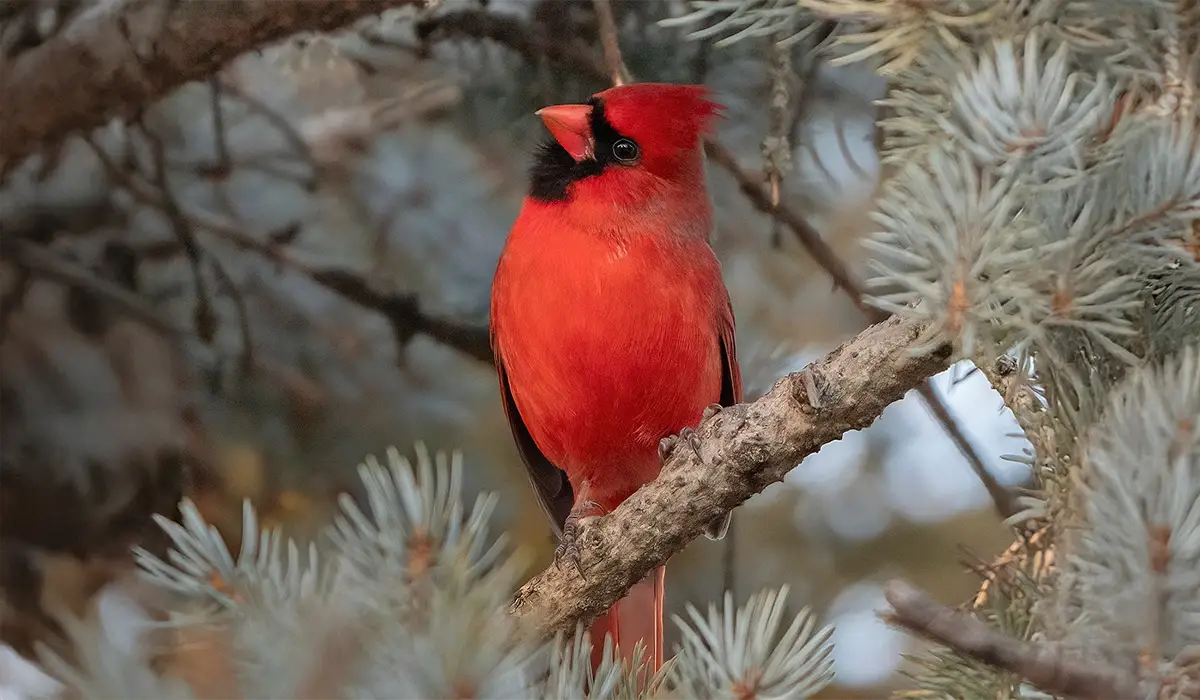
On a dreary, cold winter day, nothing can cheer a person up faster than wild birds visiting the feeder. Beautiful flashes of colour brighten the white and grey landscape. Frequent visitors include the male Northern Cardinal in its brilliant crimson plumage, Blue Jays in lavender blue, black and white, and Woodpeckers — Downy, Hairy and Pileated — in black and white accented by red spots on their heads. Sometimes bright yellow Evening Grosbeaks visit. And always there are beautiful, cheerful Black-capped chickadees entertaining us with their chit chat and the soft whirring sound of their wings as they fly back and forth to the feeder.
Other frequent visitors to winter feeders in the Ottawa Valley include Mourning Doves, Nuthatches of the Red-breasted and White-breasted varieties, Goldfinches, House Finches and Dark-eyed Juncos with their soft grey plumage and white underbellies.
The sounds of birdsong are beneficial for human listeners, even the subdued birdsong we hear in the winter. Research confirms that hearing birdsong lowers heart rate and blood pressure and contributes to a sense of calm and well-being. It has also been shown to improve focus and attention. These effects stem from the fact that birds typically sing in safe environments and, therefore, birdsong signals security to our primal brains. Some mental health therapists are using birdsong to help people recover from depression, anxiety and PTSD.
Feeding birds in winter is a great way of connecting with Nature. Mental health experts say this connection fosters a sense of belonging and reduces feelings of isolation, both very valuable benefits for so many of us nowadays.
If you would like to start feeding birds in winter, you can find all the information you need on the Feeder Watch website. An important tip is to place feeders near cover like shrubs or trees and 10 feet away from windows.
Many people who feed birds in winter record their observations for citizen science initiatives such as the Christmas Bird Count and the Feeder Watch program. These observations help scientists track the health of bird populations, many of which are in serious decline in North America.
The Christmas Bird Count is the longest-running citizen science project in North America. It began on Christmas Day 1900 and has grown to include 17 countries, 2000 locations and thousands of volunteers counting birds within 15-mile-diameter circles on one day between December 14 and January 5 each year. The Ottawa Christmas Bird Count has been running for 106 years and this year it will be held on Sunday December 14. Other nearby count circles and information about participating can be found on the Birds Canada website.
On count day, teams of volunteer field observers count everything they see from sunrise to sunset. It can be quite exciting and a bit competitive to go with experienced birders and count as many species as possible in daylight hours. Some listen for owls calling after dark. Feeder watchers in each circle observe and count the species and numbers of birds at their feeders, and send data to the compiler at the end of the day, thereby aiding conservation efforts.
We are so lucky to have our feathered friends to keep us company in the dark days of winter. Happy birding everyone!
Lynn Jones is a founding member of the Ottawa River Institute, a non-profit, charitable organization based in the Ottawa Valley. ORI’s mission is to foster sustainable communities and ecological integrity in the Ottawa River watershed.
Header Photo: Male Northern Cardinal, by Michel Lanthier, Ottawa