• By: Keith Whittier

TIFF Review: David Mackenzie’s ‘Fuze’ Explodes with Promise Before an Uneven Finish

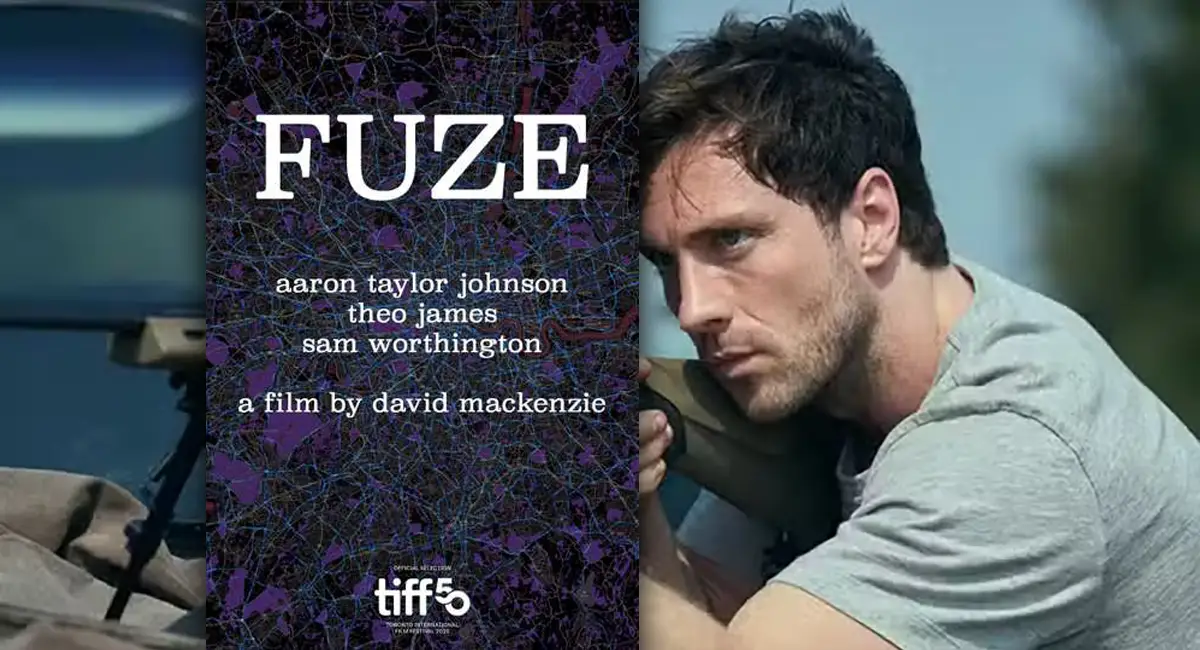
Synopsis: An unexploded WWII bomb is discovered on a busy construction site in the centre of London. Chaos ensues as the military and police begin a mass evacuation against a ticking clock.
Director: David Mackenzie
Stars: Aaron Taylor-Johnson, Theo James, Gugu Mbatha-Raw, Sam Worthington


David Mackenzie, the Scottish filmmaker behind Hell or High Water and Outlaw King, returns with Fuze, a taut British thriller that begins with explosive promise but ultimately leaves audiences divided. Written by Ben Hopkins, the film premiered at the Toronto International Film Festival and quickly drew attention for its high-concept premise: an unexploded World War II bomb discovered at a London construction site, triggering chaos as authorities scramble to defuse both the literal and figurative ticking clock.

The opening act is gripping immersing viewers in the urgency of mass evacuation and the moral dilemmas faced by those caught in the crossfire. Mackenzie’s direction is sharp, balancing large-scale tension with intimate character beats. The film’s strongest asset, however, lies in its performances.

Aaron Taylor-Johnson plays Major Will Tranter, the bomb disposal expert tasked with confronting both the device and his own haunted past. His performance is intense yet vulnerable, capturing the psychological toll of a man who lives on borrowed time. Gugu Mbatha-Raw, as Chief Superintendent Zuzana, brings gravitas and emotional depth, embodying the bureaucratic and ethical challenges of leadership under pressure. Theo James, meanwhile, delivers a standout turn as Karalis, a bank robber whose fate becomes entwined with the unfolding crisis. His charisma and unpredictability inject the film with energy, ensuring that every scene he’s in crackles with tension.

For much of its runtime, Fuze feels like a masterclass in suspense. Giles Nuttgens’ cinematography captures both the claustrophobic interiors of bomb disposal and the sweeping chaos of London under threat. The score by Tony Doogan heightens the urgency, propelling the narrative forward.

Yet despite its strong start, the film falters in its final act. As the plot twists pile up, the story begins to lose coherence, veering into contrivance rather than organic escalation. The climax, while visually striking, leaves many questions unanswered. Mackenzie opts for an ambiguous ending that will divide audiences: some may appreciate its refusal to offer easy closure, while others will find it frustratingly incomplete.

This uneven trajectory prevents Fuze from achieving the greatness of Mackenzie’s best work. What begins as a propulsive thriller gradually unravels, undermining the emotional investment built in the first half. Still, the performances of Taylor-Johnson, Mbatha-Raw, and James ensure that the film remains compelling, even when the narrative stumbles.

Ultimately, Fuze is a film of contrasts: a strong beginning, stellar performances, and striking visuals weighed down by a muddled ending. It’s a thriller that will spark debate long after the credits roll, not just about its divisive conclusion but about the nature of ambition, morality, and survival in the face of catastrophe.

Grade: C+