Recommended Articles
Film Review: Atomic Blonde
Book Review: Unspoken
Film Review: Thor: Ragnarok


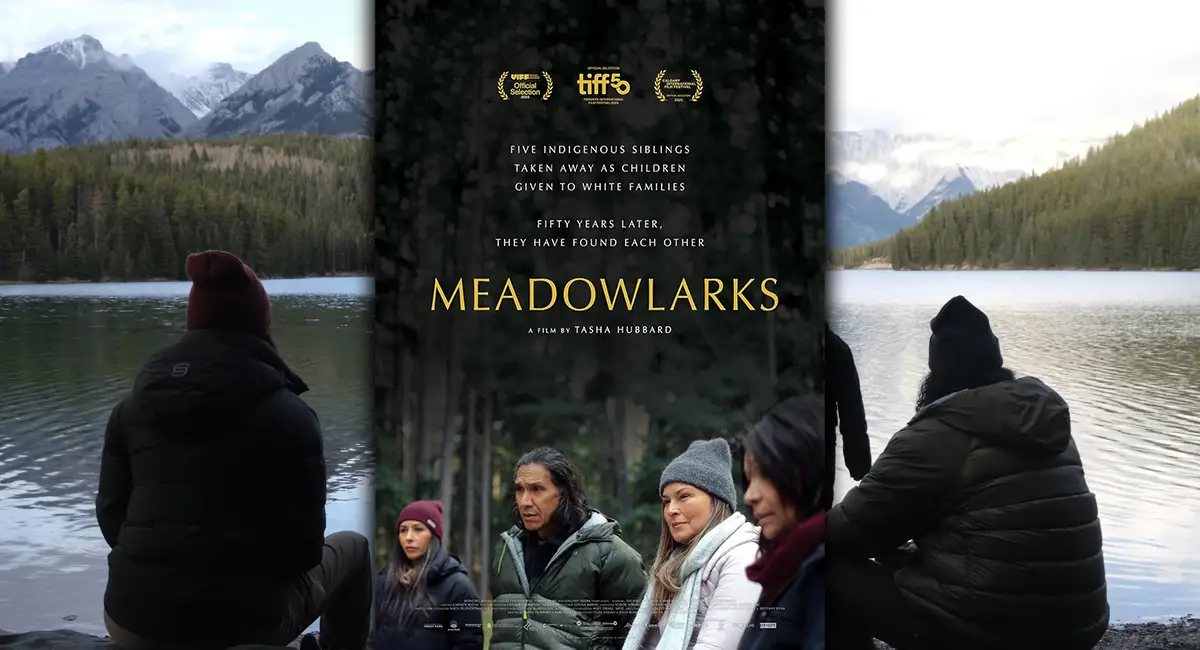
Synopsis: Four siblings, torn apart by the Sixties Scoop, reunite for one week.
Director: Tasha Hubbard
Stars: Michael Greyeyes, Carmen Moore, Alex Rice
With Meadowlarks, acclaimed Cree filmmaker Tasha Hubbard makes her scripted narrative debut, and the result is nothing short of extraordinary. Known for her documentaries such as Birth of a Family and nîpawistamâsowin: We Will Stand Up, Hubbard brings the same sensitivity and authenticity to this fictionalized retelling, which is based in part on her own 2017 documentary. This film is one of the most touching works of the year.
The story follows five Cree siblings—played by Michael Greyeyes, Carmen Moore, Alex Rice, Michelle Thrush, and Lorne Duquette—who were torn apart as children during the Sixties Scoop, the government practice of removing Indigenous children from their families and placing them in foster care or adoption, often without consent. Decades later, they reunite as adults, confronting the pain of separation while trying to forge new bonds.
What makes Meadowlarks so remarkable is its emotional authenticity. Hubbard avoids melodrama, instead allowing the characters’ conversations, silences, and tentative gestures to carry the weight of their shared trauma. The film feels intimate, almost theatrical, with limited locations and dialogue-driven scenes that emphasize the importance of listening. As critic Matthew Simpson noted, the film “feels like a play” in its structure, but that intimacy is precisely what makes it so powerful.
The performances are uniformly excellent. Michael Greyeyes brings quiet gravitas to his role, embodying both resilience and vulnerability. Carmen Moore and Alex Rice deliver nuanced portrayals of women grappling with identity and belonging, while Michelle Thrush adds emotional depth in moments of reflection. Together, the ensemble creates a tapestry of lived experience that feels both specific and universal.
Visually, cinematographer James Klopko captures the landscapes of Banff, Calgary, and Golden, British Columbia, with understated beauty. The natural settings serve as both backdrop and metaphor—vast, breathtaking, but also isolating. Editor Simone Smith ensures the pacing remains deliberate, giving space for the siblings’ stories to unfold organically.
The film’s authenticity is rooted in lived experience. Hubbard herself is a Sixties Scoop survivor, and one of the siblings from Birth of a Family is credited as an executive producer. This connection infuses the film with honesty and respect, ensuring that the dramatization never feels exploitative. Instead, Meadowlarks becomes a vehicle for healing, reminding audiences that these events are not distant history but part of Canada’s ongoing reckoning with its colonial past.
Audiences responded strongly: at the Vancouver International Film Festival, Meadowlarks won the Audience Award for the Panorama program, a testament to its emotional impact.
Ultimately, Meadowlarks is more than just a film—it is an act of remembrance and resilience. It is a story that must be heard, a cinematic experience that will leave viewers in tears and reflection. In a year filled with strong Canadian cinema, Hubbard’s debut stands out as one of the most touching, essential films of 2025.
Grade: A-
Watch the movie trailer: