A toothache has a talent for bad timing. It flares up on a Friday night, over a long weekend, or the day before a trip, and suddenly you are searching for anything that might make it stop. Some of what you will find online helps for a few hours. Some of it makes things worse. And some symptoms should send you straight to a dentist the same day, not to your kitchen cupboard. Here is how to tell the difference.
Why toothaches happen
Tooth pain is a symptom, not a condition. Behind it is usually one of a handful of causes: decay that has reached the sensitive inner layers of the tooth, a crack or chip, an infection at the root, gum disease, or something as simple as food wedged tightly between two teeth. Sinus pressure can also mimic a toothache in the upper back teeth. The cause determines how urgent things are, which is why pain that keeps returning deserves an exam even if it fades in between.
What you can safely do at home tonight
If the pain is mild and nothing is swollen, a few measures can carry you to the next available appointment. Rinse with warm salt water to clean the area and soothe irritated gums. Floss gently around the sore tooth, since trapped food is one of the most common and most fixable culprits. An over-the-counter pain reliever, taken exactly as the label directs, can take the edge off. A cold compress against the outside of the cheek for fifteen to twenty minutes helps too.
Just as important is what to skip. Never place an aspirin directly on the gum; it burns the tissue and adds a chemical burn to your toothache. Avoid heat packs, which can make swelling worse if an infection is brewing. Clove oil, the internet’s favourite remedy, can numb the spot briefly but treats nothing. None of these measures fix the problem. They buy you time, and that is all they should be asked to do.
The signs it is actually an emergency
Call a dentist the same day if tooth pain comes with any of the following: swelling in your face, jaw or gums, a fever, a pimple-like bump on the gum near the sore tooth, a tooth that has been knocked out or visibly cracked, bleeding that will not stop, or pain strong enough to keep you from sleeping. These point to infection or structural damage, and neither improves on its own.
A knocked-out adult tooth is its own special case. Pick it up by the crown, not the root, rinse it briefly if it is dirty, and keep it moist in milk or tucked inside your cheek. The odds of saving it are best within the first hour, so this is a drop-everything situation. And if swelling ever affects your ability to swallow or breathe, or the pain follows a blow to the head, go to a hospital emergency room first. That is beyond what any dental office should handle.</p>
Why waiting usually backfires
Dental infections do not stay put. A tooth that could have been saved with a simple filling can progress to needing a root canal, and eventually to an extraction, with the cost and complexity climbing at every stage. What feels like toughing it out is usually just paying more later.</p>
What an emergency dentist will actually do
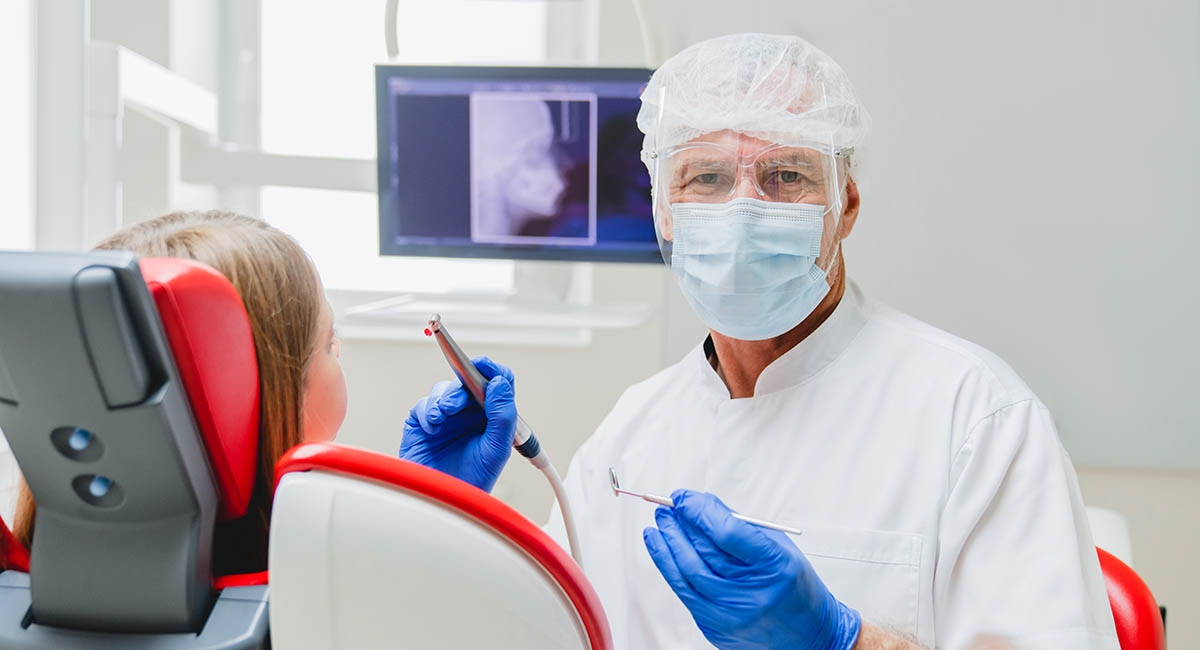
An emergency visit starts with an exam and usually an x-ray to find the source of the pain. From there, most causes can be treated on the spot or stabilized: a filling for decay, a dressing for a cracked tooth, the first stage of a root canal for an infected nerve, or an extraction when a tooth cannot be saved. If infection has spread, antibiotics may be part of the plan. The point is that you leave with the cause addressed, not just the symptom muffled.
Finding same-day care
Call as early in the day as you can and describe your symptoms clearly, since that helps the front desk triage how quickly you need to be seen. Many clinics hold space for urgent visits. In the Ottawa area, for example, Gumtree Dental Care, a family-owned clinic in Stittsville, offers same-day appointments along with evening and weekend hours, and anyone dealing with sudden tooth pain can reach their emergency dentist in Stittsville for prompt treatment.
Tooth pain is your body sending a message, and it rarely sends it twice as politely. Even if the ache fades by morning, book an exam. A tooth that flared up once is telling you something is wrong, and small problems are the cheap ones to fix.