
• By: Allen Brown

Understanding How Poor Oral Hygiene Can Lead to More Serious Health Concerns

Most people think of brushing and flossing as a way to keep their teeth white and their breath fresh. Those are worthwhile goals, but the mouth plays a much larger role in overall health than many realize. It is the entry point for food, drink, and air, and it is home to a busy community of bacteria. 

When daily care slips, harmful bacteria gain the upper hand, and the effects do not always stay in the mouth. Gum trouble, tooth decay, and painful abscesses can open a path for bacteria to travel into the bloodstream and reach other parts of the body. Understanding this connection helps explain why a sore tooth or bleeding gums should never be brushed aside as minor annoyances.

When Small Problems Grow Into Bigger Ones

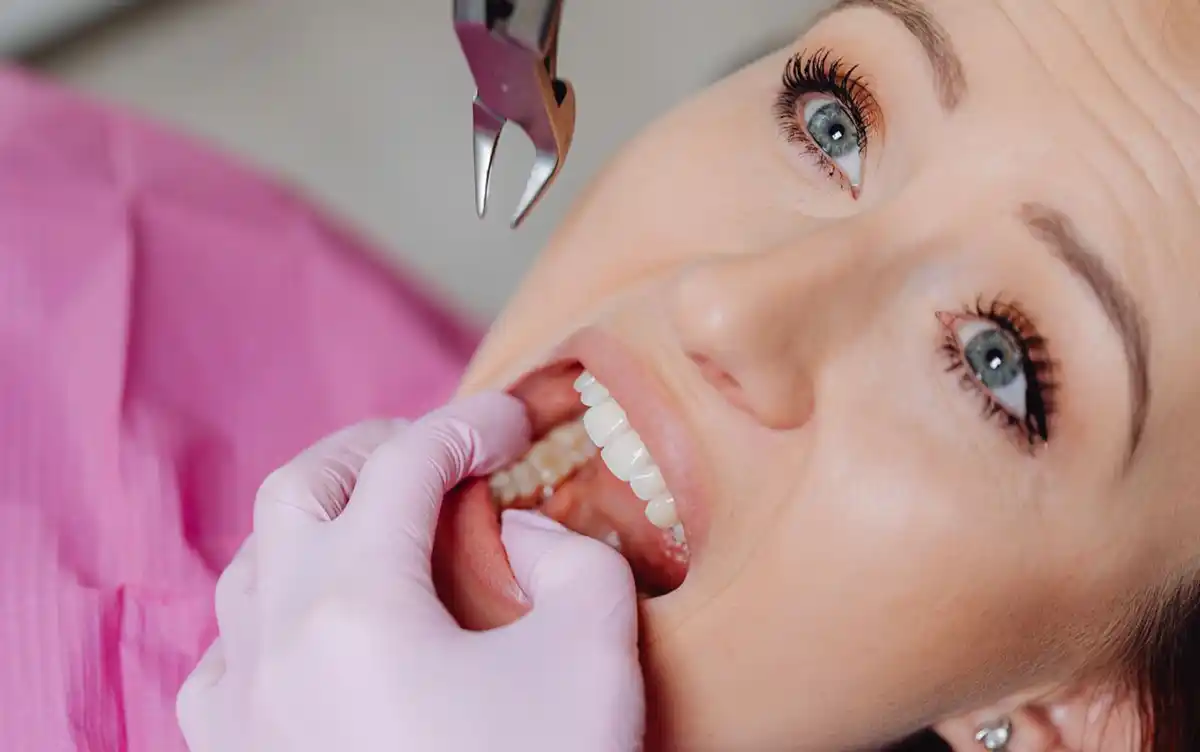
A toothache often starts as a dull ache that many people try to ignore, hoping it will fade on its own. Left untreated, that ache can turn into an infection that moves through clear stages, spreading from the inside of the tooth into the gums, the jawbone, and eventually other parts of the body. Knowing how this progression unfolds is one of the most reliable ways to understand when a sore tooth needs urgent attention. For readers who want a clearer picture, The Dental Team outlines 4 infection stages, covering the early warning signs, the symptoms that appear as bacteria spread, and the point where a sore tooth becomes a medical emergency. Seeing the full timeline laid out makes it easier to act early, while care is still simple and recovery is quicker.

How Plaque Builds Up When Daily Habits Slip

Plaque is a soft, sticky film that forms on teeth every day. It is made up of bacteria that feed on the sugars and starches left behind after meals. Brushing twice a day and cleaning between the teeth removes most of this film before it can cause harm. When those habits slip, plaque hardens into tartar, which clings to the teeth and gumline and cannot be removed with a toothbrush alone.

Tartar gives bacteria a protected place to grow. The acids they produce wear away at the enamel, creating weak spots that slowly deepen into cavities. A small cavity rarely hurts at first, which is why many people do not notice it until it has reached the softer layers inside the tooth. By then, the nerve and blood vessels at the centre of the tooth are at risk, and the problem becomes much harder and more costly to fix.

Gum Disease and the Mouth’s Natural Defences

Healthy gums fit snugly around each tooth and act as a seal that keeps bacteria out of the deeper tissues. When plaque and tartar collect along the gumline, the gums become red, swollen, and tender. This early form of gum disease can usually be reversed with better home care and a thorough cleaning.

When this stage is left untreated, the gums start to separate from the teeth, creating small pockets. Bacteria collect in these spaces, and the body’s effort to fight them gradually wears down the bone and tissue that keep the teeth secure. The inflamed tissue also gives bacteria an easier route into the bloodstream, which is one reason gum health is so closely tied to the rest of the body.

How Mouth Bacteria Can Affect the Heart

Doctors and dentists have long noticed a link between gum disease and heart trouble. When gums are inflamed and bleeding, bacteria from the mouth can slip into the bloodstream during everyday activities such as chewing or brushing. Once in circulation, these bacteria may add to inflammation in the blood vessels.

Ongoing inflammation is believed to play a part in the narrowing and hardening of arteries. For people who already have certain heart conditions, bacteria from the mouth can also settle on the inner lining of the heart or its valves, leading to a serious condition that requires hospital care. While good oral hygiene is not a cure for heart problems, keeping the gums healthy removes one possible source of strain on the heart and blood vessels.

The Connection Between Gum Health and Blood Sugar

The relationship between gum disease and diabetes works in both directions. High blood sugar makes it harder for the body to fight off bacteria, so people with poorly controlled diabetes are more likely to develop gum problems.

At the same time, severe gum inflammation can make blood sugar harder to manage. The body treats the ongoing irritation in the mouth as a threat, and this response can interfere with how it uses insulin. For anyone living with diabetes, regular cleanings and careful home care are an important part of keeping their overall health on track.

Simple Daily Habits That Protect the Whole Body

Brush twice a day with fluoride toothpaste, spending a full two minutes each time. Angle the brush toward the gumline and use gentle, circular motions. Clean between the teeth once a day with floss or small brushes, since a toothbrush cannot reach these tight spaces.

Sugary snacks and drinks feed the bacteria that cause decay, so limiting them and drinking water after meals helps protect the teeth. Avoiding tobacco is another important step, as smoking reduces blood flow to the gums and slows healing.

Why Regular Checkups Matter More Than Many People Think

Even the most careful home routine cannot remove hardened tartar or spot every early problem. Routine visits allow a dentist to find small cavities, early gum disease, and cracks before they cause pain. Many serious problems develop quietly, and a checkup is often the only way to catch them in time.

Pay close attention to warning signs between visits as well. Persistent tooth pain, swelling in the face or gums, a bad taste that will not go away, and fever are all reasons to seek care quickly. Acting early keeps treatment simple and protects both the smile and the rest of the body.

Photo: Pexels