What Are the Benefits of Modern Cooling Systems?
Canadian summers keep getting warmer. Last year, Ottawa dealt with heat warnings nearly every week in July. Homeowners across Ontario now face a choice between patching up old units or making the jump to modern systems.
The technology has changed completely over the past decade. New systems use half the energy while cleaning your air better than ever. Working with the Best HVAC company in London, Ontario helps you figure out which upgrades actually make sense for your home and budget. A quality system pays for itself through lower bills faster than most people expect.
Your Energy Bills Drop Fast
Modern air conditioners run on variable-speed compressors. Old units only knew two settings: full blast or completely off. These new compressors adjust constantly based on what your home actually needs right now.
They run longer but at much lower speeds. This beats the old cycle of blasting cold air, shutting off, then starting up again. Your hydro bill shows the difference immediately.
The numbers tell the story clearly. A typical Ontario home spends around $200 monthly on cooling during summer. Modern units bring that down to $100 or maybe $120. Over just three months, you save $240 to $300. That’s real money back in your account.
Better refrigerants make this efficiency possible. Government standards from Natural Resources Canada now require much higher performance. These rules simply didn’t exist 15 years ago when most older units were installed.
Smart thermostats add another savings layer without extra effort. They learn your schedule automatically. Most figure out their patterns within two weeks and start optimizing on their own. No programming needed.
Air Quality Improves Throughout Your Home
Modern systems filter way more than just visible dust. They catch pollen, pet dander, and microscopic particles that old units completely missed.
Most new systems use multiple filter stages working together. Stage one grabs obvious stuff like hair and lint. The next stages trap allergens you can’t see with your eyes. Your whole house ends up with cleaner air circulating constantly.
Humidity control has improved dramatically in recent years, too. Old air conditioners removed some moisture, but homes still felt sticky and uncomfortable. Modern units maintain humidity between 30 and 50 percent consistently. This range stops mold growth before it starts. It also keeps dust mites under control naturally.
Some systems now include features like UV lights built into the air stream. These kill bacteria and viruses as air passes through the system. Other models use ionization technology to remove odors and chemical smells from cooking or cleaning. Families dealing with allergies or asthma typically notice improvements within just a few days of installation.
Smart Features Save Time and Hassle
Wi-Fi-connected thermostats completely changed how people control their homes. You can adjust temps from your phone anywhere. But the remote control isn’t even the best part.
These systems actually learn your daily habits. They figure out you get home around 5:30 on weekdays. Cooling starts automatically at 5:10, so your house feels perfect when you arrive. You never walk into a sauna anymore.
The monitoring features catch problems before they become expensive. Your phone alerts you when filters need changing soon. The system warns about unusual energy spikes that might signal a failing part. Catching these issues early saves hundreds in emergency repair calls during the hottest week of summer.
Voice control through Alexa or Google Home adds real convenience, too. Adjusting temperatures without getting up helps older family members significantly. Anyone with mobility limitations finds this feature incredibly useful.
Environmental Benefits Keep Adding Up
Older systems rely on refrigerants that seriously damage the ozone layer. Many units installed before 2010 contain R-22 refrigerant. Canada banned this chemical completely several years ago. Modern refrigerants like R-410A cause less environmental harm.
Lower electricity use reduces emissions across the board. Ontario gets most of its power from nuclear and hydro sources. Gas plants still provide backup during hot afternoons, though. Cutting demand during those peak hours helps the entire provincial grid run cleaner.
Modern units last longer with basic annual maintenance. Quality systems have run efficiently for 15 to 20 years now. Old technology typically failed after just 10 to 12 years. That difference means less manufacturing waste and fewer junked units filling landfills.
Research from the U.S. Environmental Protection Agency shows that better indoor air actually reduces healthcare costs. Fewer airborne allergens mean fewer doctor visits for respiratory issues. Kids with asthma have fewer serious attacks. The benefits extend well beyond just environmental concerns into real family health.
Many systems include eco-mode settings now as standard features. These modes prioritize efficiency over cooling speed deliberately. Your home takes longer to reach the target temperature but uses way less power doing it. Most families gladly accept that tradeoff for lower bills.

Photo by José Andrés Pacheco Cortes
The Financial Picture Works Out
Upgrading requires real money upfront. Nobody pretends otherwise. But the payback timeline surprises most homeowners in a good way.
Energy savings typically cover installation costs within five to seven years. Everything after that goes straight to your bottom line. Over a system’s 15-year lifespan, total savings easily reach several thousand dollars.
Government rebates significantly reduce that initial investment, too. Ontario runs multiple incentive programs for high-efficiency cooling systems. These rebates cover anywhere from 10 to 25 percent of total equipment costs. Your local utility company might stack additional rebates on top of provincial programs.
Modern systems deliver these specific financial advantages:
• Monthly energy bills drop 30 to 50 percent right after installation
• Repair frequency decreases because newer systems simply break less often
• Equipment lifespan extends five to eight years beyond older technology
• Home resale value increases with modern, efficient systems already installed
• Available rebates and tax credits lower your actual out-of-pocket costs
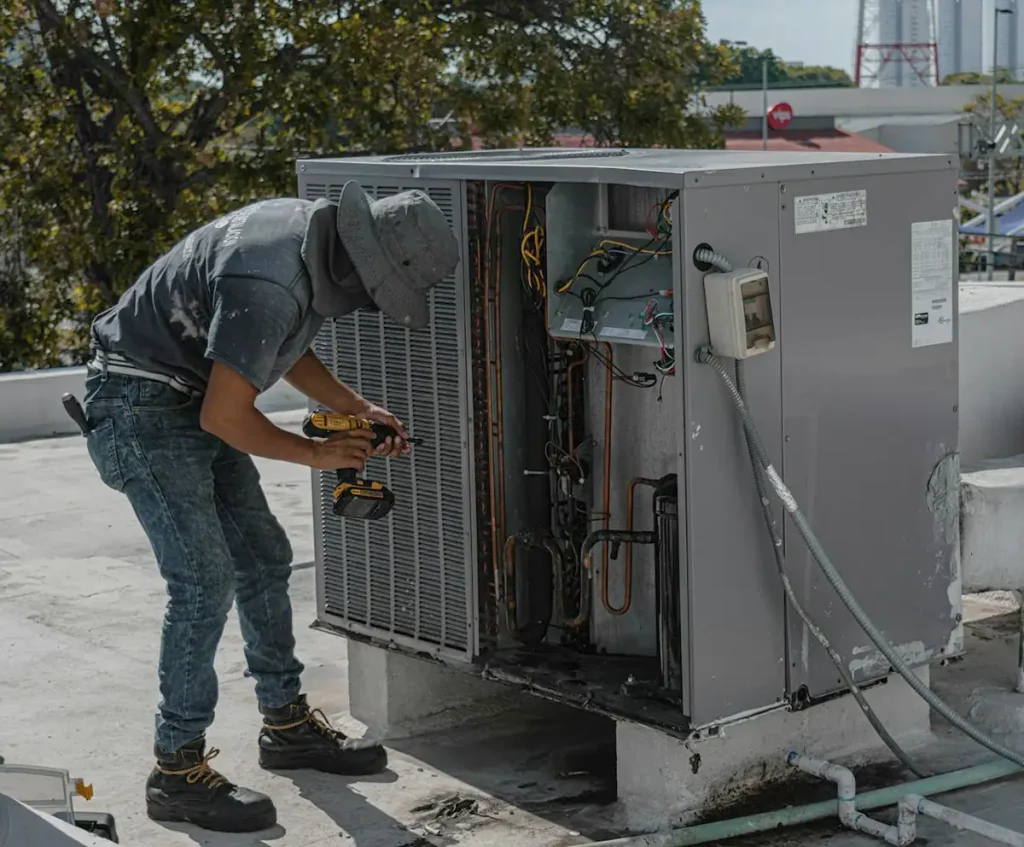
Professional installation affects long-term performance more than people realize. Wrong sizing kills efficiency and shortens equipment life dramatically. Skilled technicians calculate your home’s actual cooling requirements. They measure square footage, assess insulation quality, and evaluate window placement. You get the correctly sized unit for your specific home, not whatever happens to be on sale that week.
Maintenance requirements drop substantially with modern systems. One thorough annual service visit keeps everything running smoothly. Technicians check refrigerant levels, clean coils thoroughly, and test all major components. These regular checkups prevent the majority of potential breakdowns.
Comfort improvements often justify costs all by themselves for many families. Modern systems maintain consistent temperatures throughout every room. Those annoying hot spots and cold drafts just disappear. Better humidity control means you feel perfectly comfortable even at slightly higher thermostat settings. That preference saves additional money without sacrificing any comfort.
Header image: FOX ^.ᆽ.^= ∫