
What Is a Latex Mattress – A Guide for Canadians
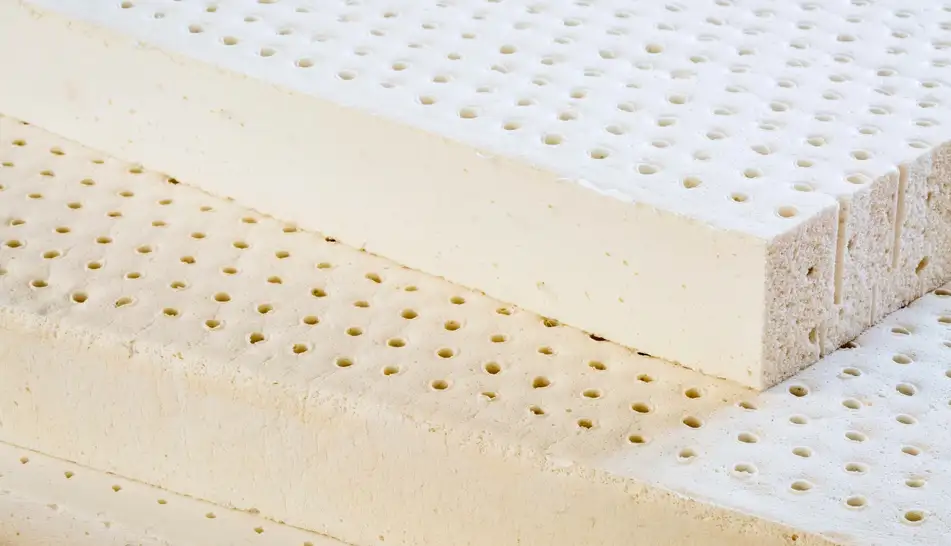
Latex mattresses, while still not as popular as memory foam mattresses, are gaining popularity in Canada. These mattresses have a natural feel and a reputation for healthy sleep, while also being durable.
This guide breaks down the types of latex mattresses, their benefits and drawbacks, and helps you decide if a latex mattress will suit your sleeping needs. Here’s a YouTube video for a visual comparison.
What Are Latex Mattresses?
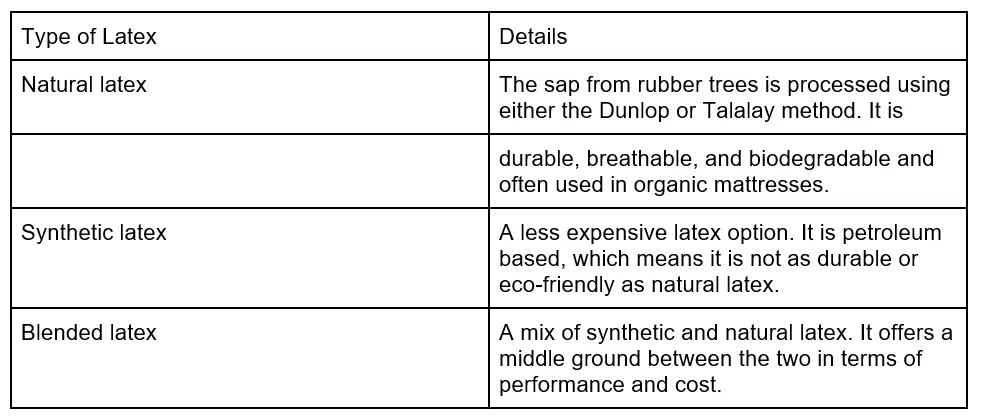
Latex mattresses can be either natural, blended, or synthetic. Natural latex mattresses are made from foam derived from the sap of rubber trees, while synthetic latex is man made. Latex can be used alone or together with other materials such as cotton, wool, and coils.

Pros of Latex Mattresses (Particularly the Organic Kind)

There are several benefits to choosing a latex mattress. However, some of these benefits only apply to organic latex mattresses.
• Eco-friendly and non-toxic: Natural latex is a renewable material. It is crafted without harsh chemicals and often paired with other organic materials in mattresses. Many natural latex mattresses are certified by third party organisations such as GOLS or OEKO-TEX.
• Durability: All types of latex mattresses are known for their durability. They resist impressions, sagging, and breakdown better than most foam options. They can last up to 15 years with proper care.
• Responsive and supportive: Latex mattresses, in all its variations, provide a buoyant, springy sleeping surface. Unlike memory foam which provides a hugging feeling, latex responds to movement quickly. This makes it easy to change position, making latex mattresses ideal for combination sleepers.
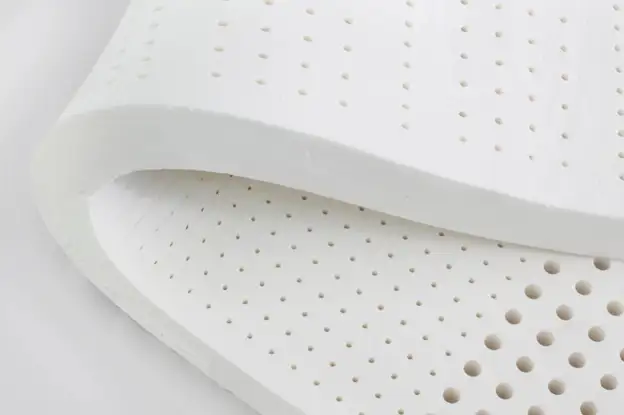
• Temperature regulation: Latex is naturally breathable thanks to its open-cell structure that allows air to move through the mattress. This helps to keep you cool while you sleep.
• Hypoallergenic and mould-resistant: Naturally resistant to dust mites, bacteria, and mould, latex mattresses are well-suited for humid regions or Canadians with allergies.
Are There Drawbacks to Latex Mattresses?
Before you decide to get a latex mattress, you need to look at the drawbacks, too. While there are not many, they are still worth noting.
• Higher price point: Latex mattresses, particularly natural and organic versions, are often more expensive than other mattress types. However, in return you get a durable and high-performing mattress. Slumber.ca estimates the average cost of a latex mattress in Canada is $1,250 CAD.
• Heavy: Latex is a dense material, which makes these mattresses heavier than, for example, foam mattresses. This means they can be difficult to manoeuvre and you may need help when moving or adjusting the mattress.
• Firmer feel: Although you can find latex mattresses in various firmness levels, they often have a firmer feel than memory foam. If you are used to memory foam, you will need time to adjust to a considerably different feeling. Rather than sleeping “in”, it will feel more like sleeping “on” the mattress.
Dunlop vs. Talalay Latex
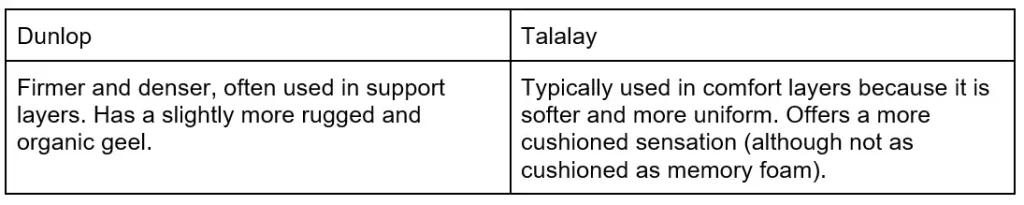
If you are interested in a latex mattress, it is useful to understand the difference between Talalay and Dunlop latex.

Some mattresses combine both types of latex: Dunlop to provide stability, Talalay to provide comfort.
Should You Get a Latex Mattress?
• While latex mattresses have a lot to offer, they may not suit everyone. You might like a latex mattress if you:
• Sleep on your stomach or back
• Are a heavier individual
• Live in a humid climate
• Have allergies or asthma
• Some side sleepers may also like a latex mattress. However, they may need to get a softer topper for it to prevent pressure points.
Final Tips on Latex Mattresses
If you have never slept on a latex mattress, find a store that sells them. This way you can personally experience how they feel, even if you end up ordering online.