



What Makes Ontario’s Online Entertainment Scene Different from the Rest of Canada?
There’s one province in Canada that stands out for its mark on the digital entertainment scene: Ontario. It’s the most populous province in the Great White North, with 90% of its population living in the southern portion. Among the 52 cities in the region is Toronto, one of the most multicultural cities in the entire world. In that sense, it’s no surprise that the province’s digital entertainment space reflects a wide range of preferences and influences. It also has the innovations and infrastructure to become the leader of Canada’s online entertainment landscape.
Ontario has a particularly proactive and dynamic approach to regulating online experiences for consumers and creators, with standards that consider everything from Canadian consumer rights to ticket sale policies and gig worker protections. It has managed to create an environment that other provinces are starting to take note of in order to inform future policies.
Strong Consumer Laws to Set the Bar
Ontario is a true leader in the online Canadian entertainment scene, setting the pace, the standard, and the direction for other provinces and territories. Its rules benefit not just governments and platform operators but everyday users who deserve a safe, secure, and transparent ecosystem.
If we look at ticket sales alone, Ontario is one of the few jurisdictions with legislation that targets the use of ticket bots. This automated software is designed to quickly scoop up large numbers of concert and other event tickets right when they go on sale, while other users are stuck waiting in a digital queue. It’s an unfair advantage that causes tickets to be resold at hiked-up prices elsewhere, rather than letting real fans have a fair shot. The province’s Ticket Sales Act makes it illegal to use bots and knowingly resell tickets obtained through these sneaky methods. There’s even an extra requirement for platforms to have full pricing transparency, showing the total cost of a ticket, including all taxes and fees, to avoid hidden costs and shady markups.
Digital services also receive the same strict treatment. Ontario’s Consumer Protection Act contains clauses regarding streaming subscription renewals, refunds, and cancellations, which protect residents from difficult opt-outs and unfair consequences if things go wrong. Since service providers often have the upper hand, this law gives consumers the power to cancel without penalty if the service fails to deliver.
These protections aren’t often highlighted in the online entertainment sphere, but they’re extremely important to it. Not only do they signal protection and safety, but they make digital experiences more enjoyable since people don’t have to deal with the anxiety of looking over their shoulder. The province sets itself apart from the rest of Canada by actively enforcing consumer protections online. Since online protections haven’t always kept pace with how people consume digital services, Ontario has worked to turn informal guidelines into enforceable rules.
Ontario’s Approach to Data Oversight
Despite the many provincial distinctions, many provinces and territories, apart from Quebec and Ontario, still rely solely on federal privacy laws rather than building their own frameworks.
• Because so many people interact with digital services every day, it sparks a real need for a more responsible approach to data governance.
• After all, just like we expect clear rules around how our physical spaces are protected, we should demand the same from digital environments, which we use just as frequently.
• People want to know their information isn’t going to be misused or shared recklessly, and organizations have a duty to protect that trust.
While the Personal Information Protection and Electronic Documents Act (PIPEDA) in Canada is the national standard for private sector privacy, Ontario introduced new legislation for cybersecurity, data protection, and AI in the public sector.
Bill 194, Strengthening Cyber Security and Building Trust in the Public Sector Act, 2024, enacted two new laws and amended a few existing ones to improve the province’s public sector’s digital security. Any business, including e-commerce sites and streaming platforms, that relies on user data for any reason needs to abide by these laws so users can better control how their data is used.
Regulating Entertainment—From iGaming to Cannabis
PHOTO: Freepick
So far, we’ve been speaking generally about the Ontario online entertainment space, but let’s zoom in on two specific areas where the province’s approach really stands out: iGaming and cannabis e-commerce.
Implementing those consumer protections, innovations, and oversight that have already helped Ontario lead by example, the province is the only one that operates a fully regulated open market model for online casinos in the country. Licensed providers operating in Ontario can legally offer online gambling services within their borders as long as they adhere to all the compliance rules in place. Meanwhile, other provinces lag behind with centralized models, restricting access to government-run platforms.
A similar setup exists with cannabis sales and delivery in Ontario, where a decentralized system lets private retailers sell and deliver government-regulated cannabis products to customers online. In contrast, other provinces maintain government-run online stores and have many restrictions in place. Ontario’s hybrid system supports strict compliance while fostering growth and accessibility.
Promoting Homegrown Content on Global Streaming Platforms
But Ontario isn’t simply focused on regulation alone. Cultural policy is just as important and creates an environment where local talent can thrive. The provincial agency, Ontario Creates, exists to provide strategic and financial backing for “cultural entrepreneurs,” supporting the development of online games and digital media. A mix of tax credits, targeted funding programs, and grants gives independent creators the chance to appear in the online spaces that Ontarians frequent.
Many programs like this include diversity mandates, which encourage creators from underrepresented communities to have a voice in mainstream entertainment. Whether they’re streaming in Ontario or tuning in from elsewhere, this initiative enriches the online experience for audiences across the country and the world, and other provinces are realizing that they have the chance to do the same.
The Province’s Blueprint for Protecting Platform Gig Workers

Source: Pixabay
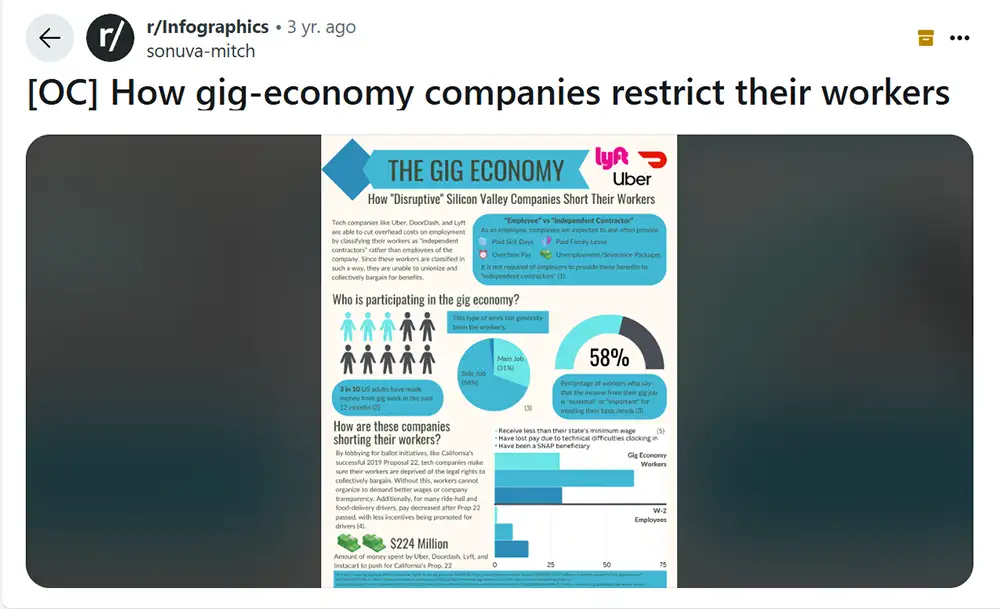
All the while, Ontario is also paying attention to those earning a living through digital platforms. The reinvention of what work can look like and the work-from-home revolution have encouraged people to explore new income streams, like freelance services or app-based work. Because this portion of work is becoming a much more significant part of the economy, the province has reviewed its policies on minimum wage, worker classification, and access to benefits for gig workers.
Platform workers are no strangers to having fewer protections than traditional employees, which makes them more vulnerable to a lack of sick leave and unclear rights, even though they contribute just as much to the Ontario and Canadian economies. The problem is that some critics have claimed that the Digital Platform Workers’ Rights Act falls short of what gig workers need.
The new legislation gives workers the right to file complaints with the Ontario Ministry of Labour yet doesn’t give them the right to file complaints with the Ontario Labour Relations Board, which means no right to arbitration. It also denies workers paid sick leave and statutory holiday pay, meaning Ontario still has some work to do. To its credit, Ontario introduced the first legislation of its kind, which still makes it an important step toward better recognition for the gig economy in Ontario.
Ontario as a Trendsetter for Canada’s Digital Future
Ontario’s approach to online entertainment takes stock of fun and accessibility, but its serious efforts to support local creators and protect consumer rights make it a leader. The province has no shortage of shining examples of how it balances innovation and consumer protection, from regulated digital marketplaces to progressive privacy initiatives. Policy isn’t a traditionally exciting topic, but when paired with real-world impact, it becomes a whole lot more relevant.
Header image: James Wheeler, Pixabay