

• By: Allen Brown

What Ottawa’s Shift to Digital Gaming Reveals About Leisure

Ottawa’s leisure habits are changing as more residents turn to digital gaming for entertainment. From colder winters to flexible work schedules and always-on technology, online play reflects how urban lifestyles are adapting to modern routines, comfort, and convenience.

A Digital Turn in Leisure

The capital’s entertainment landscape is changing in ways that feel subtle day to day but unmistakable in hindsight. Residents are spending more time on digital platforms and less in traditional venues, not out of cultural retreat but through a pragmatic recalibration of how free time fits into modern life. The shift reveals as much about work rhythms, weather, and urban layout as it does about personal preferences.

Remote Work and the New Daily Rhythm

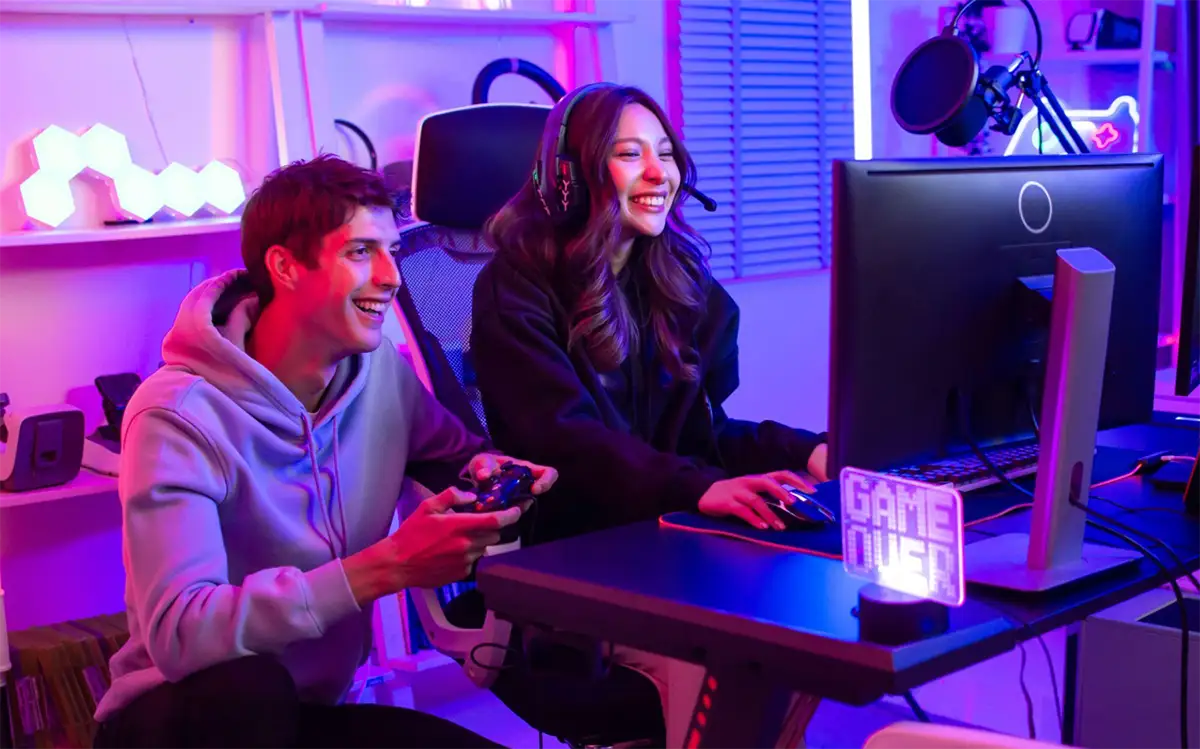
Hybrid and remote schedules across government and tech sectors have redefined how people unwind. Days no longer end with a commute that naturally leads into a movie, a bar visit, or a night at the casino. Instead, downtime often unfolds at home, where digital options offer immediacy without added travel. For those living in Kanata, Barrhaven, or Orléans, avoiding another cross-city trip at the end of a long day feels less like opting out and more like reclaiming time.

Weather and the Pull of At-Home Comfort

The region’s climate has always shaped its routines. Winter can make even short evening outings feel like logistical undertakings, while humid summers often encourage people to stay closer to home once the heat breaks. Against this backdrop, the accessibility of console play, mobile titles, and other forms of at-home entertainment becomes a low-friction alternative that fits naturally with seasonal rhythms. These choices don’t replace the city’s cultural pulse but offer a comfortable buffer against the elements.

A Tech-Confident Population Leading the Way

With a strong technology corridor and a workforce comfortable navigating digital environments, the local population readily gravitates toward new forms of entertainment. For many, experimenting with different platforms or integrating them into their routines feels intuitive. This comfort level makes these activities appear less like a niche hobby and more like a mainstream extension of the region’s tech-forward identity.

Regulation and the Normalization of Online Play

Ontario’s regulated online gaming market has played a quiet but influential role in legitimizing these experiences. Consumer protections, age-verification tools, and clear rules for operators have reduced much of the stigma historically attached to online play. For many residents, seeing how closely regulated activities such as online casinos in Canada are reinforces the perception that these platforms operate within a transparent, accountable framework rather than an unregulated digital fringe. For those accustomed to clear policy structures, regulation adds a layer of trust without glamorizing risky behaviours.

Traditional Venues Are Evolving, Not Disappearing

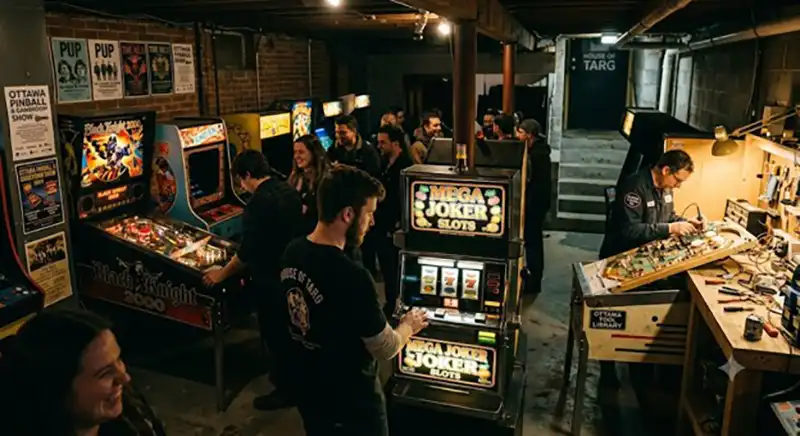
Despite the rise in digital alternatives, physical entertainment spaces remain important community fixtures. Cinemas have leaned into premium seating and event screenings, arcades have re-emerged through retro-inspired bars, and casino venues continue to refine their in-person experiences. Rather than competing directly with digital options, many are repositioning themselves as social destinations offering what screens cannot: atmosphere, shared energy, and the tactile qualities of being out in the city.

Convenience, Cost, and the New Urban Calculation

For many residents, decisions about free-time activities now sit at the intersection of time, expense, and convenience. Rising costs for dining, parking, and tickets downtown make spontaneous outings more selective. At-home choices, by contrast, fit neatly into spare pockets of time with minimal financial commitment. This reflects how people adapt to contemporary economic pressures rather than a rejection of the city’s cultural experiences.

Social Interaction Is Transforming

The assumption that online gaming fosters isolation overlooks how social these platforms have become. Multiplayer titles, virtual communities, and organized events create new forms of connection that operate across distances and schedules. For those balancing family demands, shift work, or irregular hours, these spaces offer interaction that traditional venues cannot always accommodate. Offline gatherings remain essential, but they now coexist with flexible virtual alternatives.

Hybrid Models Are Defining the Future

What stands out today is not a wholesale move from physical to digital, but the blending of both. Residents might spend a Friday evening meeting friends at Lansdowne and a Saturday morning competing in an online match. Hybrid habits reflect a region adapting to its realities: long commutes, varied work patterns, and a desire for both convenience and meaningful experiences. This duality increasingly defines how people shape their downtime.

Final Thoughts

This shift toward at-home entertainment is not a departure from community or culture but an example of how modern routines evolve alongside the rhythms of contemporary life. Traditional venues remain relevant, digital options continue to grow, and many are blending both to match the needs of their day-to-day schedules. Understanding this transition helps us see how free-time choices reflect the identity and pace of the capital today.