


• By: Allen Brown

What Sets Ontario’s Licensed Casino Platforms Apart

Ontario is home to Canada’s largest regulated online gaming market, with dozens of licensed casino and sportsbook operators now competing for players across the province. For residents in Ottawa and beyond, this has created more choice than ever before, but it has also made it harder to understand what separates one platform from another.

While operators often compete on welcome offers, game selection, and promotional campaigns, these features provide only part of the picture. Since Ontario opened its online gaming market to private operators in 2022, licensed platforms have been required to meet strict standards set by the Alcohol and Gaming Commission of Ontario (AGCO) and iGaming Ontario. These rules cover areas such as player protection, responsible gambling measures, complaint processes, and operational oversight.

As the market continues to mature, understanding what it means for a platform to be licensed can provide a useful starting point for anyone comparing online casino options in Ontario.

Why Licensing Matters

At first glance, many online casinos look remarkably similar. Most offer comparable game libraries, promotional offers, and account features, making it difficult to tell one platform from another.

The key distinction is whether an operator is licensed to offer gaming services in Ontario. Licensed platforms must meet requirements set by the Alcohol and Gaming Commission of Ontario (AGCO) and operate under agreements with iGaming Ontario. These obligations extend beyond game selection and promotions, covering areas such as player protection, responsible gambling tools, complaint handling, and operational standards.

For players comparing different platforms, licensing provides an additional layer of accountability that may not be immediately visible when browsing a website.

What Licensing Means for Players

Licensing requirements affect parts of the customer experience that are easy to overlook. Account verification, game testing, data security, and responsible gambling measures all fall within the framework established for participating companies.

Most players are not thinking about these issues when they create an account. The importance of those standards often becomes clearer later. Questions about withdrawals, account access, or identity verification are situations where regulatory requirements can have a practical impact.

Companies operating within the market are expected to follow the same standards regardless of the games they offer. According to iGaming Ontario, the framework is designed to support consumer safeguards while allowing private businesses to compete within a defined set of rules.

The goal is not to create identical experiences across every platform—operators still compete on product offerings, promotions, and user experience. The licensing framework establishes baseline requirements that participating companies must meet while allowing them to differentiate themselves in other areas.

How Offshore Operators Differ

At first glance, offshore casinos can appear similar to licensed platforms. But when a player needs assistance or encounters a problem involving payments, account verification, or promotional terms, the difference becomes very evident. Most consumers never expect to file a complaint or challenge a withdrawal decision, but when those situations occur, licensing standards become far more relevant than marketing claims or promotional offers.

Businesses participating in the regulated market are subject to oversight mechanisms established by provincial authorities. Consumers also have access to clearer procedures for raising concerns when issues arise.

The distinction is particularly relevant because offshore operators may be licensed in other jurisdictions that follow different rules and standards. For consumers, this can make it more difficult to understand what protections apply if a dispute arises. Participation in the provincial framework creates a clearer set of expectations regarding compliance and accountability.

As more companies enter the digital marketplace, these standards give consumers another way to evaluate their options.

Gambling always carries risk, and licensing does not change that. It does, however, establish expectations around how participating companies operate and respond to consumer concerns.

Responsible Gambling Requirements

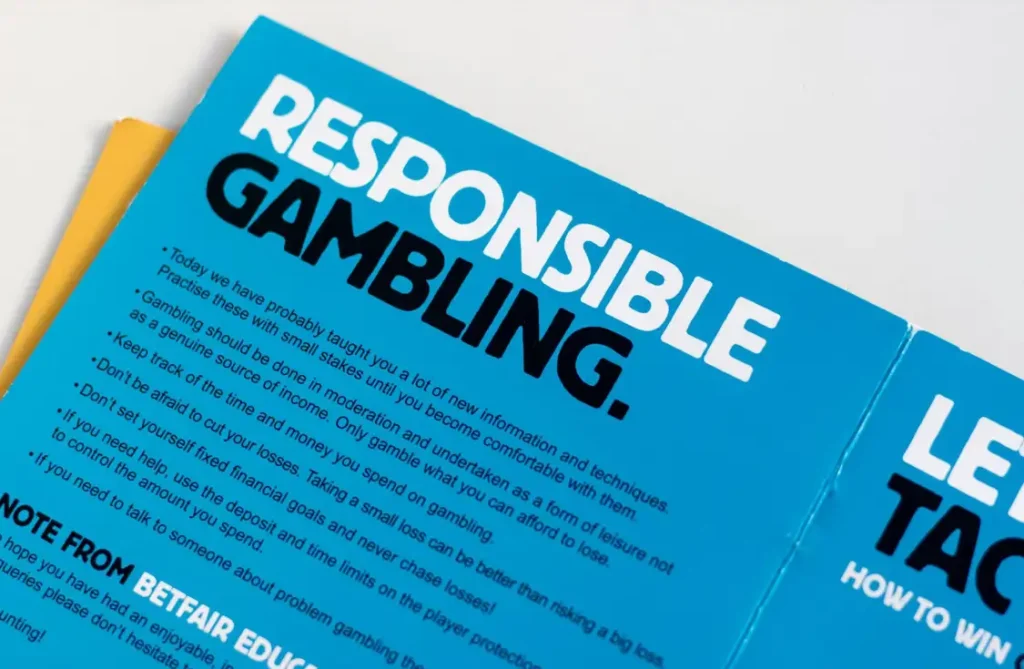
Responsible gambling measures are a mandatory part of Ontario’s licensing framework. Licensed sites must offer tools such as deposit limits, session reminders, and self-exclusion options to help users manage their activity.

The province also operates BetGuard, a centralized self-exclusion system that allows individuals to restrict access across multiple licensed operators through a single registration. While not all players use these tools, their availability is an important element of consumer protection.

The framework requires operators to integrate support features directly into the user experience, rather than placing responsibility solely on individuals to manage their own play.

How Can You Tell if an Online Casino Is Licensed?

For most players, the easiest way to identify a licensed operator is to look at what happens before you even place a bet.

Regulated Ontario casinos are required to verify player identities, provide responsible gambling tools, and clearly explain how deposits, withdrawals, and complaints are handled. If those details are difficult to find, that’s often a sign to do more research before signing up.

Take a platform such as BetMGM Casino Ontario. Like other operators participating in the province’s regulated market, it provides information on account verification, responsible gambling resources, customer support, and terms of service before players can begin using the platform. These may not be the most exciting features on a casino website, but they’re often among the most important.

While bonuses and game selection tend to grab attention, the real difference between licensed operators often comes down to transparency. The easier it is to understand how a platform works, how your funds are handled, and where to turn if something goes wrong, the easier it becomes to make an informed decision.

Navigating Ontario’s Regulated Online Gaming Market

The online gaming market offers more choice than it did only a few years ago. Alongside that growth has come a framework intended to establish standards for companies that participate in the provincial system. For consumers, the takeaway is straightforward. Before opening an account, verify that a platform is registered with AGCO and participates in the regulated market. In a crowded digital marketplace, that simple step can provide useful information about the standards a company is expected to meet.