Why More Singles Are Leaving Dating Apps for Matchmaking in the Post‑Pandemic Era
The COVID‑19 pandemic reshaped nearly every part of daily life, but few areas were disrupted as profoundly — or as quietly — as dating. The shift to remote and hybrid work eliminated one of the most common ways people used to meet partners: the workplace. Add to that the decline of in‑person events and the rise of digital‑first socializing, and it’s no surprise that online dating apps became the default option for millions of singles.
Unfortunately, the convenience came with a cost. Alongside genuine users looking for connection, dating apps have seen a surge in scams, fake profiles, and manipulative behaviour. For many, the experience has become less about meeting someone meaningful and more about navigating a minefield.
Linda Miller, a professional matchmaker for more than 30 years and Founder of Misty River Matchmaking Services, has watched the shift in dating culture unfold in real time. “The pandemic and a change in workplace culture permanently shifted how people meet,” she explained. “Online platforms became the default, but with that convenience came increased risk of things like financial scams, fake identities, and people who are not emotionally or relationally available.”
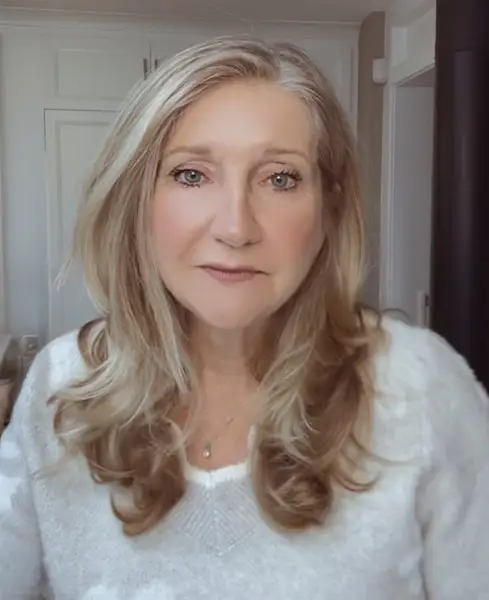
ABOVE: Linda Miller, founder of Misty River Matchmaking Service, says meeting people online has become the new norm.
She has seen the consequences of that shift firsthand. As she told Ottawa Life Magazine, dating apps have created an environment where “there’s a lot of bad behaviour and encouraged bad behaviour because people can get away with whatever they want with no accountability, you’re dating strangers.”
For readers navigating today’s dating landscape, these concerns are more than theoretical — they’re increasingly common. That’s why understanding the warning signs of digital deception has become essential.
See“How to Spot a Dating Scam” below.
For many singles, that combination of anonymity, unpredictability, and emotional fatigue has pushed frustration to a tipping point. Instead of endlessly swiping, they’re turning to matchmaking services — not out of nostalgia, but out of a desire for structure, safety, and a more intentional path to partnership.
A Match Made Offline
Loania and Doug were among the professionals who found themselves exhausted by the post‑pandemic dating landscape. Loania, a physician, and Doug, a business professional, both had demanding schedules and little interest in spending their limited free time on disappointing dates. Each independently turned to Misty River Matchmaking Services — and today, they’ve been a couple for nearly a year and a half.
Doug told Ottawa Life that the pandemic played a major role in his decision. “We lost two years of our lives,” he said. “I felt at my age in life that I didn’t really want to lose any more time in finding a partner.”
For Doug, that sense of urgency wasn’t about rushing — it was about reclaiming time lost to isolation and uncertainty.
For Loania, the connection was immediate. After completing the matchmaking process and speaking to Doug for the first time, she recalled, “When he answered the phone, we started to speak like old friends, and I already had a good feeling.”
Why Matchmaking Feels Different
Unlike dating apps, matchmaking services rely on a vetting process and ongoing support; two elements that many singles say are missing from digital platforms. Miller explained that her team stays involved long after the initial match. “We are providing coaching throughout the process, to make sure that not only are we matching you with people, but we’re giving you good information so that you can have a better relationship also.”
That support doesn’t end once a match is made. Loania described how the follow‑through made a difference: “Linda contacted me two or three months later while we were dating and asked me how I feel, if I need anything else from the company, and that kind of support is really important for the client.”
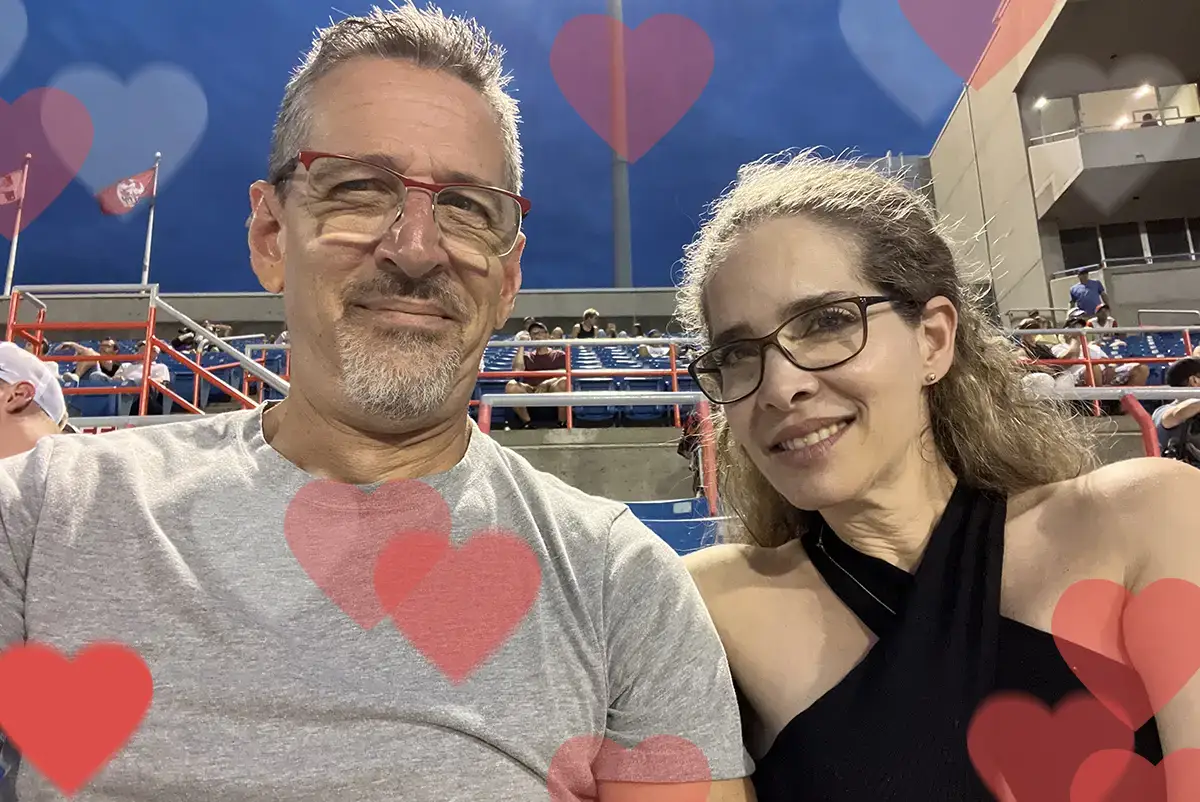
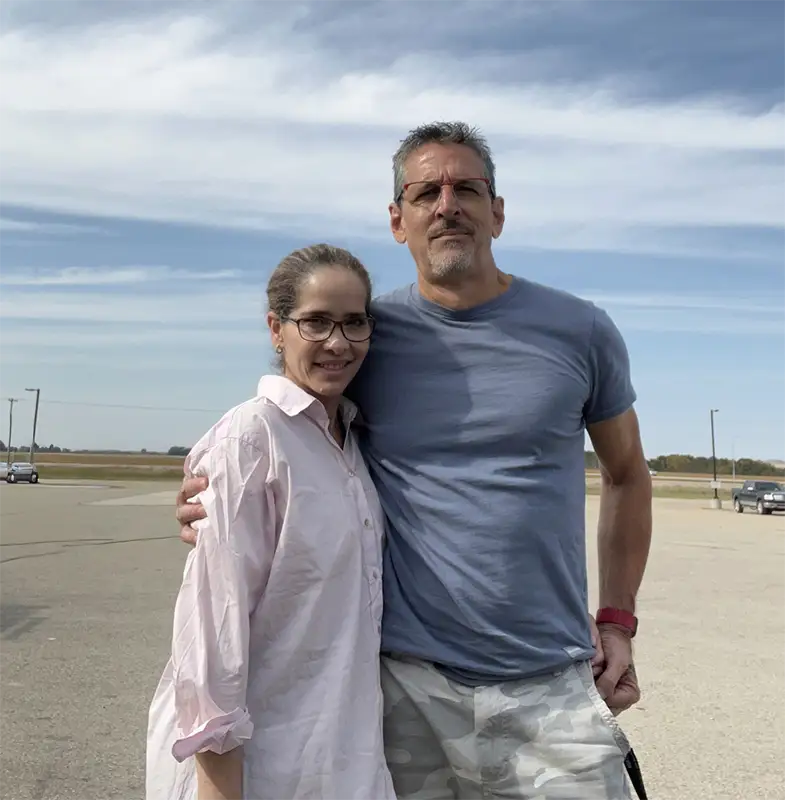
ABOVE: Loania and Doug, two professionals who connected through Misty River Matchmaking Services, appreciate the service’s thorough vetting process and attentive follow-up.
Both Loania and Doug say they would recommend matchmaking to others. “I think it’s a really good option for people who want to have a long‑term and more definite relationship,” Loania said. Doug added, “I just like the fact that someone has already gone to the trouble of listening to the things that I like and what I want to do with my life, and then finding a person to sort of match that.”
Their experiences reflect a broader trend: singles are increasingly seeking dating environments where accountability, compatibility, and emotional readiness are prioritized over volume and speed.
Advice for Singles Feeling Discouraged
Miller has seen thousands of singles cycle through hope, disappointment, and renewed optimism. Her advice is simple but pointed: “The main thing is that it’s something you have to stick with and that it’s something worthwhile. I think you need to examine where you’re looking for people, and you need to really think about what’s going to make you happy.”
She also encourages people to tune out external pressure. “I get a lot of people who come to me, and they’re worried about what their girlfriends or family members are going to say about the person they’re dating. So you have to ask yourself, who are you dating for? What are the things that are important to you that are going to make you happy? Forget about what your girlfriends think.”
It’s a reminder that in a dating world full of noise, clarity often begins with knowing your own priorities.
A New Approach to Valentine’s Day
With Valentine’s Day approaching, many singles are once again thinking about connection — and about how to find it safely. Whether through a matchmaking service or a more cautious approach to online dating, the message is the same: take your time, trust your instincts, and verify who you’re meeting before that romantic candlelit dinner.
In a dating world transformed by the pandemic, intentionality may be the most attractive quality of all.
How to Spot a Dating Scam
Online dating has opened new doors — but it has also created new risks. Here are key red flags to watch for when meeting someone through an app or digital platform:
1. They avoid video calls or in‑person meetings
Consistent excuses or last‑minute cancellations often signal a fake identity.
2. Their profile feels too perfect
Scammers frequently use stolen photos or vague bios.
3. They escalate the relationship unusually fast
Over‑the‑top affection early on is a common manipulation tactic.
4. They ask for money — directly or indirectly
Any financial request is a major warning sign.
5. Their stories don’t add up
Inconsistencies in job details, background, or travel plans often indicate deception.
6. They pressure you to move off the app
Shifting quickly to private messaging apps can make them harder to trace.
7. Something just feels off
Trust your instincts. Genuine connections never require secrecy or urgency.