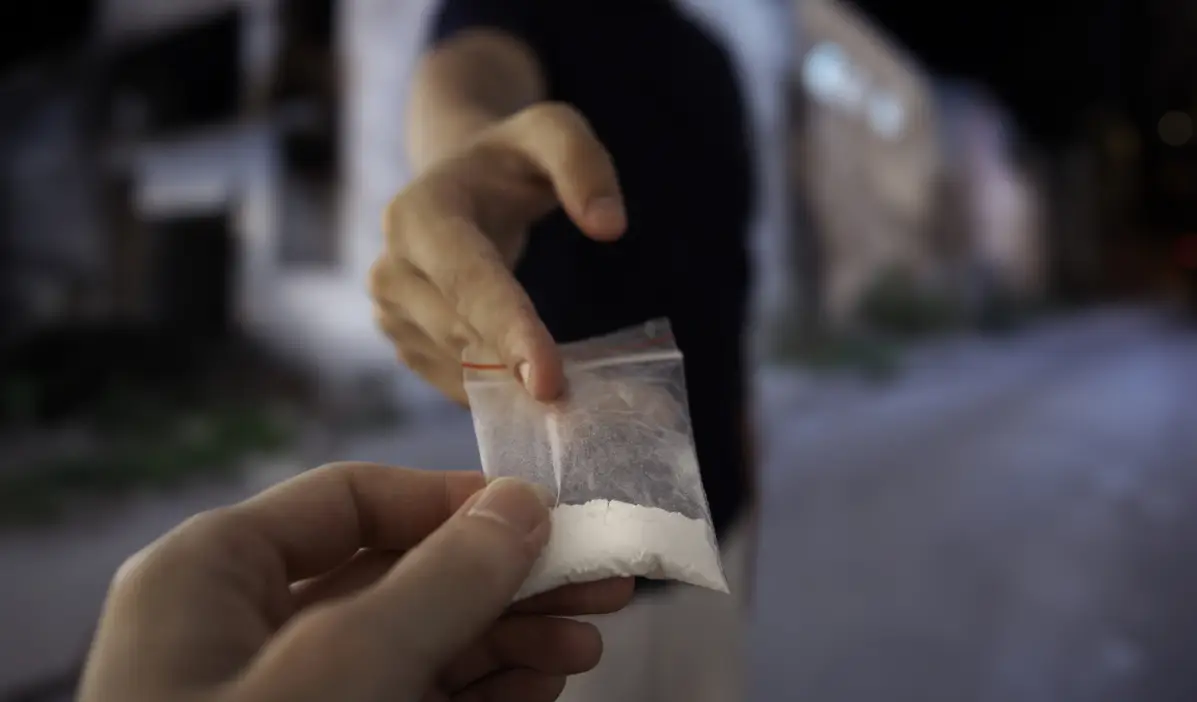
Youth Addiction Trends in Canada’s Capital
Addiction has become an increasing problem in society, and across Canada, it’s becoming an urgent issue, particularly in Ottawa and among young people. It’s a curious and pretty heartbreaking crisis, with distinct and evolving challenges, from rising levels of alcohol dependence to the likes of cocaine and, actually, the rise of digital dependency too.
Ultimately, the landscape of youth addiction is shifting, and government and community organisations have started to recognise the scale of the issue…
Changing Patterns of Substance Use
Traditional substances such as alcohol and cannabis remain prevalent among young people in Ottawa. Surveys indicate that over a third of students in Grades 7 to 12 report alcohol use within a year, with consumption increasing significantly as students get older.
However, the nature of substance use is evolving. While alcohol use among youth has declined over the past decade, other forms of substance use have emerged or intensified. Notably, opioid use among Ottawa youth has risen sharply, with some reports suggesting it has doubled between 2021 and 2023.
This shift reflects broader national trends, where young people are increasingly exposed to potent and unpredictable substances. Among high-risk groups, access to drugs is often alarmingly easy, contributing to higher rates of harm, including overdose and long-term health complications.
The Intersection of Mental Health and Addiction
A key factor driving youth addiction trends in Ottawa is the close relationship between substance use and mental health. Adolescence and early adulthood are already periods of heightened emotional vulnerability, and for many young people, substances become a way of coping with stress, anxiety, or trauma.
Research consistently shows that young people aged 15 to 24 experience some of the highest rates of substance use disorders in Canada. In Ottawa, this is compounded by social pressures, academic demands, and, in some cases, housing instability.
Street-involved youth are particularly at risk. Without stable support systems, they are more likely to engage in high-risk substance use and less likely to access healthcare services. This creates a cycle in which addiction and mental health challenges reinforce one another.
Beyond Substances: The Rise of Behavioural Addiction
While much attention is given to drugs and alcohol, behavioural addictions are also becoming more prominent among Ottawa’s youth. Internet and social media addiction, sometimes described as a “silent epidemic”, is increasingly recognised as a significant concern.
Constant connectivity, gaming, and social media use can affect sleep, concentration, and emotional well-being. For some young people, these behaviours mirror the patterns of substance addiction, including dependency, withdrawal, and loss of control.
The coexistence of digital and substance-related addictions adds complexity to treatment, requiring more holistic approaches that address both behavioural and psychological factors.
Community Responses and Support Systems
In response to these trends, Ottawa has seen a rise in community-based initiatives aimed at prevention and recovery. Programmes targeting youth aged 16 to 25 are focusing on harm reduction, education, and long-term support.
Initiatives such as counselling services, peer-led support groups, and outreach programmes are helping young people navigate recovery in a more accessible and less stigmatised way. Early intervention has proven particularly effective, with many participants in local programmes reporting reduced substance use and improved well-being.
Schools and public health campaigns also play a crucial role, providing education on substance use and equipping young people with the tools to make informed decisions.
Looking Ahead
Youth addiction trends in Ottawa reflect a broader shift in how addiction is understood and experienced. While some traditional risk behaviours are declining, new challenges, such as opioid use and digital dependency, are emerging in their place.
Addressing these issues requires a coordinated approach that combines education, mental health support, and accessible treatment services. Crucially, it also demands a shift in perception: addiction must be recognised not as a moral failing, but as a complex health issue requiring compassion and evidence-based solutions.
As Ottawa continues to invest in youth-focused initiatives, there is reason for cautious optimism. By identifying trends early and responding with targeted support, the city has the opportunity to not only reduce harm but also empower young people to build healthier, more resilient futures.
Photo: iStock