
The Best High-Protein, Low-Cost Pantry Staple: Why You Should Eat More Legumes

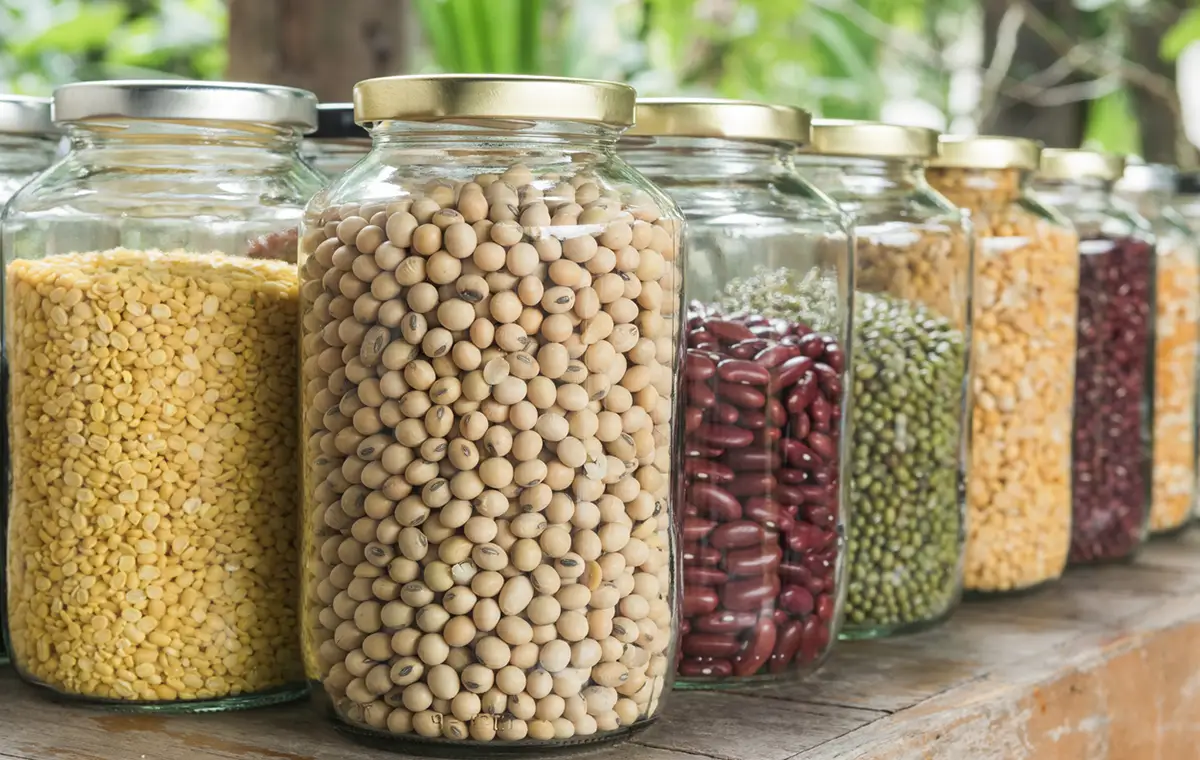
As food prices continue to rise and health challenges persist for many of us, it’s never been a better time to rediscover one of the most humble and nourishing ingredients around—legumes. These small but mighty foods, which include lentils, beans, chickpeas, and peas, are inexpensive, deeply satisfying, and surprisingly versatile once you get comfortable using them. I always keep a variety in my pantry, as they are so versatile, as you’ll see. 

A Simple, Nutritious Staple 

If you’ve never cooked with legumes before, give yourself time to experiment. Like any new habit, it might take a few tries to figure out your favourite varieties, cooking methods, and recipes. Don’t lose patience—the rewards are worth it. Once you begin incorporating them into your meals, you’ll soon wonder how you ever managed without them. 

Legumes are the unsung heroes of the pantry. The best part is that if you don’t like one, there are dozens of others to try—black beans, lentils, chickpeas, kidney beans, split peas, mung beans, and more. Many can be easily swapped in different recipes, meaning you can adapt them to your taste and cooking style. 

Why Add Legumes to Your Meal Rotation? 

There are so many reasons to invite legumes into your kitchen: 

1. High in fibre: They help lower cholesterol levels, promote healthy digestion, and support regularity. 

2. Stable blood sugar: Their complex carbohydrates and fibre slow the release of glucose, keeping blood sugar steady—great news for those with type 2 diabetes. 

3. Plant-based protein: Legumes provide an excellent source of protein, perfect for vegetarians, vegans, or anyone looking to reduce meat intake. 

4. Budget-friendly: They cost a fraction of what meat or dairy does, yet deliver impressive nutrition. 

5. Long shelf life: Dried or canned, legumes can live happily in your pantry for months. 

6. Convenient and quick: Canned versions are ready to heat and serve, while dried ones can be batch-cooked and frozen for easy future meals. 

The Power of Pairing 

Here’s a nutrition tip: when legumes are eaten with whole grains—think lentils with rice, chickpeas with quinoa, or black beans with corn—your body uses the combination of amino acids to create a complete protein. This means you get all the essential amino acids you’d normally find in meat, fish, or dairy. It’s a simple, planet-friendly way to meet your body’s protein needs without extra cost or effort. 

Getting Started 

Start by adding a can of drained legumes to your favourite soup, stew, or salad for a heartier, fibre-rich meal. You can also purée chickpeas into hummus, toss lentils into your pasta sauce, or stir black beans into tacos or burritos. The flavour possibilities are endless. 

So, next time you’re at the grocery store, pause at the canned goods aisle. Pick up a few varieties of legumes and bring them home to your kitchen. With a little curiosity and an open mind, you just might discover a new staple—one that nourishes your body, supports your budget, and helps set a healthier tone for your new year. 


Send your nutrition questions to susan@susanalsembach.com

Photo: iStock