Why Competition Makes Gaming More Addictive
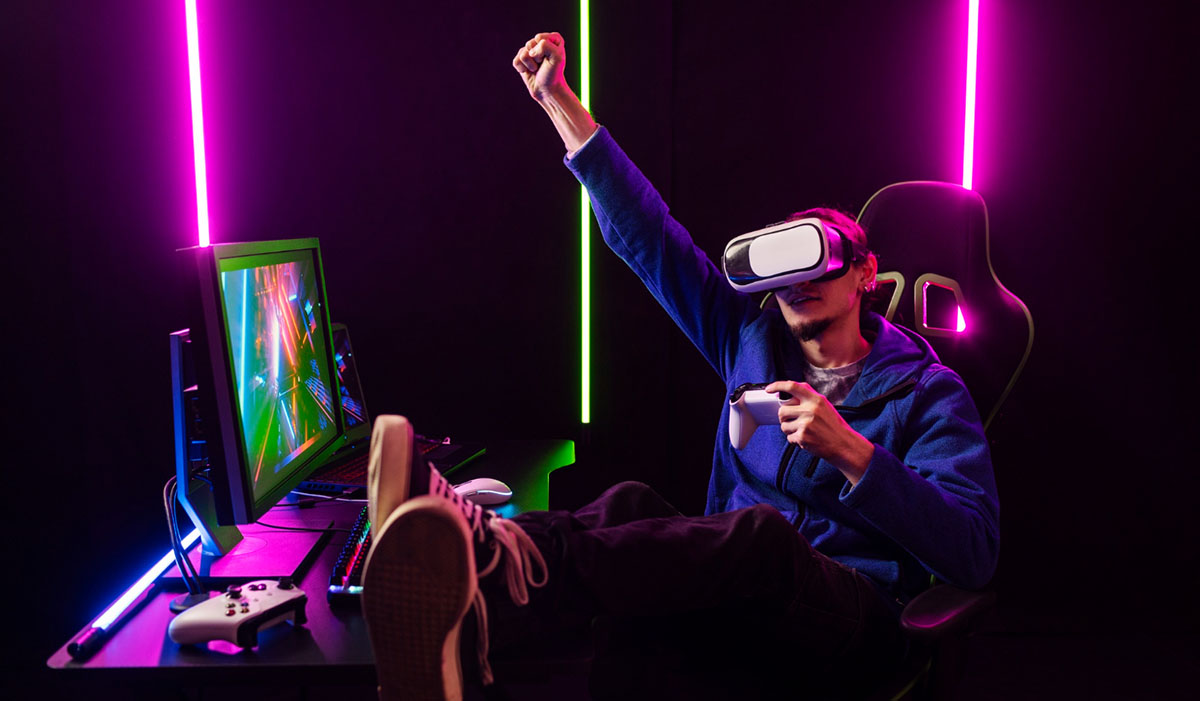
Competition transforms a casual pastime into a personal challenge. Players stop playing just for fun and start playing to prove something — to themselves and to others. This shift explains why competitive titles retain players far longer than single-player experiences.
Understanding the mechanics behind this pull helps players manage their habits and helps developers design more responsible systems.
The Psychology Behind Competitive Play and Dopamine Loops
Competitive gaming taps into core motivational systems. The brain releases dopamine not only when we win, but in anticipation of a potential win. That anticipation is strongest when the outcome is uncertain and skill-based, which is exactly what ranked matches offer.
This loop is reinforced by variable rewards. The brain interprets rank progress as social status, increasing emotional investment. The next game always promises a chance to restore status or climb higher, making it hard to stop after one match.
The loading screen before a ranked match often triggers more dopamine than the victory screen itself. You rehearse clutch plays and picture a rank-up animation. Even a loss sustains the loop, because feedback that you were close suggests a small adjustment could flip the next result, so queuing again feels logical.
How Ranking Systems Keep Players Coming Back for More
Rank ladders, battle passes, and seasonal resets are designed to maximize engagement. This structure keeps both immediate motivation and long-term commitment high.
These systems exploit loss aversion. Losing points feels twice as painful as gaining them feels pleasant, so players queue again to recover rank. Daily missions deliver quick hits, while seasonal goals promise exclusive skins or titles, removing any natural pause point.
Before looking at common mechanics, it helps to see how they work together to extend playtime:
• Tiered Leagues: Bronze to Challenger structures divide players into small status groups, making advancement feel tangible.
• Seasonal Resets: Periodic rank resets create fresh urgency and fear of missing out on rewards.
• Visible MMR or Elo: Numerical ratings quantify skill, encouraging constant comparison.
• Placement Matches and Promotions: Special high-stakes games create memorable peaks that players chase again.
For players exploring different competitive environments, from esports titles to strategy-based platforms like https://moneymoon.casino/en-ca, recognizing these patterns is key to staying in control while enjoying the challenge. When you can label a reset as artificial urgency rather than a real deadline, you create a moment of choice before queuing.
Why Social Comparison Makes Losses Feel Personal and Urgent
Humans evaluate abilities by comparing themselves to peers. Competitive games make that comparison explicit and constant. Each match becomes a public measure of skill, even if no one else sees the result.
That feeling intensifies when badges, leaderboards, and scoreboards broadcast performance. Even solo, you may compare yourself to a streamer or your own peak rank, so a loss feels like falling behind.
Social identity deepens the effect. Defeat then threatens not just a number but membership in a group. Trash talk, spectator modes, and replay sharing heighten pride and shame. This pressure explains why many find it harder to log off after a loss than after a win.
Joining a clan, guild, or team discord adds belonging. You may keep playing to avoid letting teammates down or to protect your spot, agreeing to one more game long after focus has faded.
The Unpredictable Nature of Wins That Hooks the Brain
Losses are painful, but unpredictable wins keep players engaged despite them. This is intermittent reinforcement, the same principle behind compelling game loops in many genres. Most matches may be losses, but one clutch win can rewrite how you remember the whole session.
To clarify how different competitive motivators interact, consider their psychological impact:
| Motivator Type | What Player Feels | Why It Extends Playtime |
| Skill-Based Matchmaking | Fair challenge, hope to win | Keeps win rate near 50%, preventing boredom or exit |
| Rank Progression | Status, achievement | Creates a clear ladder to climb with no definitive end |
| Social Recognition | Pride, belonging | Community praise reinforces continued effort |
| Near Misses | Frustration mixed with optimism | A player believes success was almost achieved |
It combines hope, status, and social connection in a loop that feels meaningful. After narrowly losing a promotion match, the next queue feels necessary to rewrite the story. Because matchmaking targets about a 50% win rate, you get a mix of defeats and euphoric wins that prevents both boredom and lasting satisfaction.
Learning to Use Competitive Drive Without Losing Control
Competition itself is not harmful. Problems arise when external structures remove natural stopping points. When every game affects rank, and there is no built-in break, your brain loses cues that normally signal rest, so you must add your own.
Start by defining a session goal before you queue, like practicing one skill or playing three games regardless of outcome. Schedule days without ranked modes and replace them with unranked or cooperative play where the stakes are lower. Track your emotional state after matches. If you notice playing only to relieve frustration from a previous loss, that is a sign to pause.
Use a timer that ends the session when it rings, not when you win. Pair it with a quick note after each match about focus or fatigue. That log reveals patterns early, like playing worse after two losses, and makes it easier to quit while still in control.
Understanding why competition makes gaming more addictive gives you a choice. You can enjoy climbing and improving while keeping the game in the role of a game, not a measure of self-worth. Measuring progress by what you learned, not only by the badge displayed, keeps improvement satisfying and logging off easier.
Photo: Freepick