Canada Isn’t Getting Older — It’s Getting Stuck: Why Aliveness Is the Cure for a Tired Nation

A line has been circulating online lately, provoking equal parts irritation, reflection, and curiosity. It tells the story of an older man, on his third marriage, who is asked why he chose a much younger partner. His answer is not what people expect. “I didn’t choose younger,” he says. “I chose alive.”

Taken literally, it’s easy to dismiss as a cliché or a justification. But taken seriously, it reveals something far more interesting about how people, and societies, age.

What the man is really talking about is not youth, but energy. Curiosity. Movement. The capacity to still be surprised by life. And the uncomfortable truth is that many people don’t grow old, they close. They stop listening. They stop learning. They stop believing that tomorrow could be different from yesterday.

When that happens, it doesn’t just affect relationships. It affects workplaces, institutions, politics, and entire countries. Stagnation is contagious.

Aliveness, contrary to how it’s often framed, has nothing to do with age. Some of the most alive people I know are in their sixties and seventies: engaged, curious, still capable of reinvention. And some of the most closed, cynical, exhausted people I meet are in their thirties. Aliveness is a posture toward the world, a willingness to say, “I might be wrong,” or “I can still grow,” or “I can still build something new.” The moment that posture disappears, the moment curiosity is replaced with certainty, a person doesn’t simply age, they harden.

This matters because certainty, not fear, is the real killer of progress. Certainty that you already know. Certainty that you’ve earned the right to stop trying. Certainty that your way is the way, and everyone else is the problem. That kind of certainty kills innovation, trust, collaboration, and eventually legitimacy.

You see it in failing marriages, in stagnant companies, in governments that stop listening and start lecturing. Experience becomes entitlement. Wisdom becomes inertia. Leadership becomes performance.

One of the more controversial lines in that viral post suggests that, with age, many people begin demanding instead of inspiring. It’s a harsh observation, and that’s why it sticks. The issue isn’t that people have needs or boundaries; we all do. The issue is the energy we bring into a room.

Do we enter relationships, workplaces, and conversations asking how we can contribute, lift, or co‑create? Or do we arrive with a mental ledger of grievances, scorekeeping, and unspoken tests, quietly demanding repayment for past disappointments? Resentment is exhausting to be around, even when it’s justified.

Another insight from that post is the idea of “mental endings” — the moment someone stops seeing who is in front of them and instead sees everyone through the lens of past betrayals. That isn’t wisdom; it’s baggage.

Experience is only valuable if it teaches without calcifying. If your past has taught you what matters, good. If it has taught you what not to tolerate, even better. But if it has convinced you that people are predictable, effort is pointless, or hope is naïve, then the past isn’t teaching you — it’s running you.

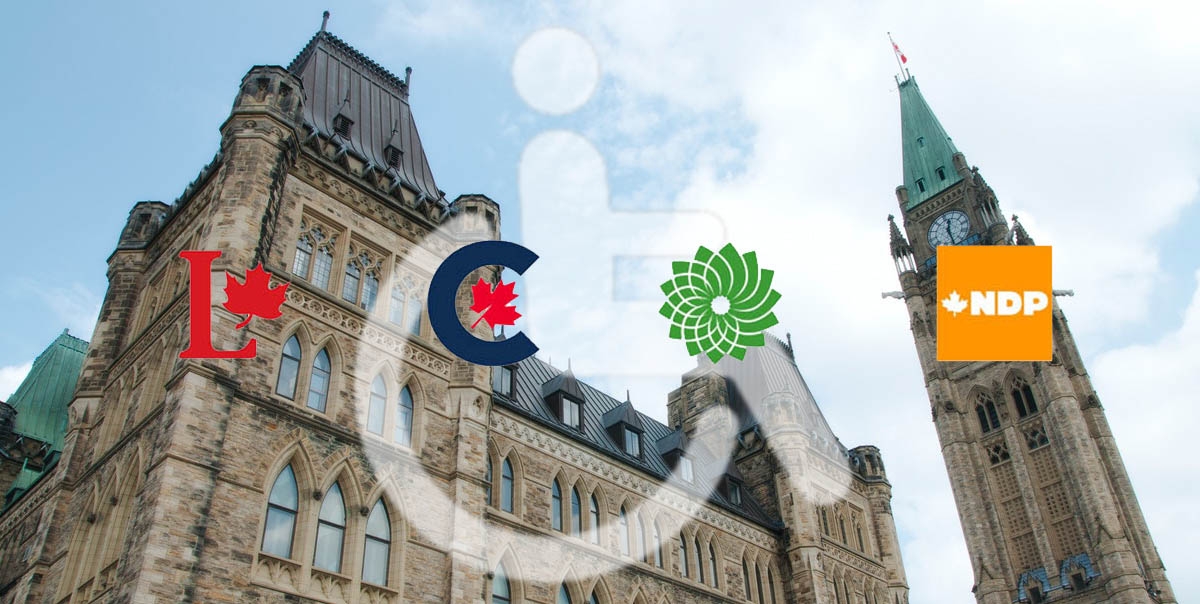
And this is where the conversation expands beyond relationships. Because what we’re really talking about is how societies age. Right now, Canada feels tired. Our institutions feel tired. Our economic model feels tired. Our politics feel tired. What feels like personal fatigue is often civic fatigue, institutions running on memory instead of imagination.

We’re carrying legacy thinking, legacy systems, and legacy debt, and then wondering why momentum feels gone. We’ve confused experience with inertia, stability with stagnation, and caution with wisdom.

Countries don’t decline because they age. They decline because they stop being alive.

Aliveness, in this broader sense, is not recklessness.

Photo: iStock