Canada’s Pipeline Reckoning: Energy, Politics, and the Battle for Trade Independence

Canada is running out of time to decide whether it wants to be an energy superpower or a bystander. For years, the pipeline debate has been treated as a political football. Today, it’s a litmus test of whether this country can adapt to a harsher global order and secure its place as a reliable supplier of democratic energy and critical minerals.

Recent conversations with energy and Indigenous policy expert Heather Exner-Pirot, pollster Nik Nanos, and economist Jeff Rubin all point in the same direction: Canada’s economic future hinges on building infrastructure, diversifying trade beyond the United States, and proving we can deliver resources to global markets.

Canadians Want Pragmatism, Not Paralysis

Nanos’ polling shows Canadians are less interested in ideological battles than in practical solutions. Support for new pipelines is stronger than political narratives suggest, driven by recognition that Canada needs access to Asian and European markets, that the U.S. is no longer a dependable trade partner, and that Indigenous equity participation changes the moral and political landscape.

Exner-Pirot argues the real problem isn’t public opposition, it’s regulatory paralysis. Since 2019, only two major projects have been approved under the Impact Assessment Act. Investors aren’t walking away because pipelines are unpopular — they’re walking away because the rules are unpredictable.

Pipelines as Canada’s Trade Strategy

Rubin reframes the debate entirely: pipelines are not just about energy, they are Canada’s only real trade diversification strategy. Without access to Asia, Canada cannot diversify exports — not for oil, not for critical minerals, not for manufactured goods. Europe is stagnant, BRICS markets are politically fraught, and the U.S. is increasingly protectionist. The Pacific coast is our only viable gateway.

A Route That Works

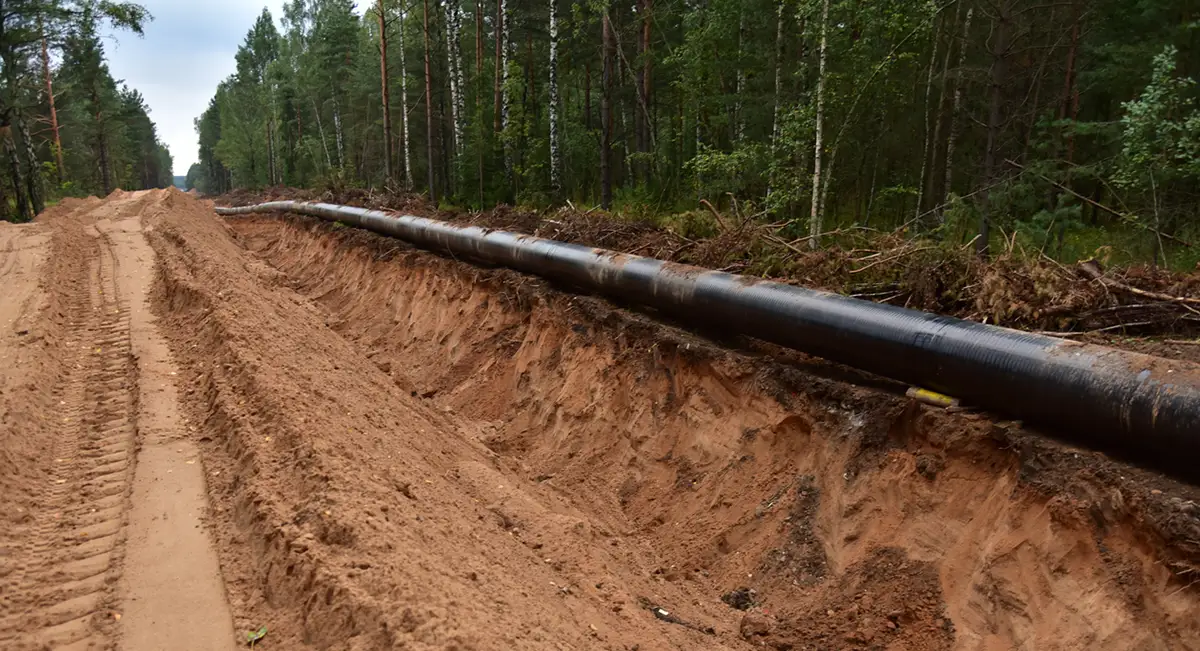
Experts converge on a northern Alberta–northern BC route to Prince Rupert as the most realistic option. It faces less urban opposition, fewer Indigenous nations along the path, and offers manageable consultation and accommodation. With Indigenous equity and federal/provincial loan guarantees, private capital requirements could fall to $15 billion — a level pipeline companies can support. For the first time in a decade, a project looks technically, economically, and politically feasible.

Indigenous Equity as Social Licence

Indigenous ownership is no longer optional; it is essential. Equity participation changes the legal landscape, reduces litigation risk, gains public support, and aligns with reconciliation commitments. Far from being a concession, it is Canada’s competitive advantage.

The Cost of Inaction

Polling shows Alberta’s alienation is real: 20 per cent support independence, 10 per cent would even consider joining the U.S. Rubin warns that failure to build infrastructure will deepen separatist sentiment, weaken the dollar, reduce investment, and fracture national unity.

A Commodity Supercycle We’re Missing

Canada has the minerals the world needs — nickel, copper, potash, uranium, rare earths — but our permitting times are among the slowest in the OECD. Unless we modernize regulation, we risk missing the next global commodity cycle, just as we did with LNG.

The Politics May Finally Align

With Steven Guilbeault’s resignation, rising public support for pragmatic centrism, and Mark Carney’s strong approval ratings, the political environment may finally be ready for nation‑building projects. Canada has the resources, geography, Indigenous partnership models, and global demand tailwinds. What we lack is a regulatory system capable of approving projects in time to matter.

If Canada can align politics, economics, Indigenous partnership, and regulatory reform, we can become a geopolitical energy supplier of choice, a leader in critical minerals, and a nation with true trade independence. For the first time in years, the opportunity is real. The question is whether we will seize it — or let it slip away.


Tune in to Brian Crombie, host of The Brian Crombie Hour, at www.briancrombie.com or on all major podcast platforms.

Photo: iStock