
China Unveiled: What to See, Do, and Know Before You Go

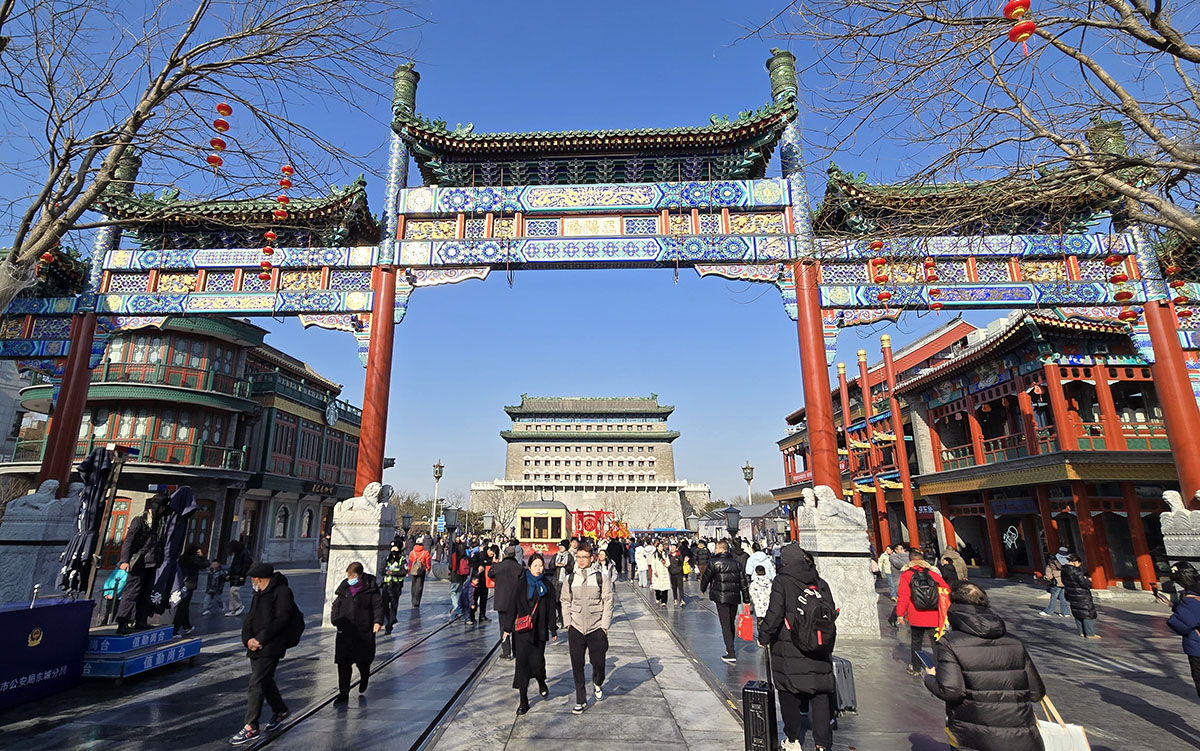
No place I’ve visited has struck me as fascinating and otherworldly as China. The stunning architecture felt in sync with nature, as traditional buildings and skyscrapers testifying high levels of advancement resided next to bright green trees and reflective rivers. The kindness and open-minded attitudes of the locals inspired me, as they spoke proudly of the cultural and geographical diversity they wanted tourists to discover. I marvelled at stunning views of beautiful and advanced historical sites and metropolises alike, which reflected creativity and cultural richness.

The aromas and diverse scents drifting through food courts overwhelmed my senses. However, these experiences and perceptions of China are rarely conveyed in news headlines, which, according to the BBC, is likely why foreigners are entering China at 30 percent of the 2019 levels. However, don’t let that be a deterrent. With its unparalleled efficiency, innovative infrastructure, fascinating historical sites, and warm-hearted people, China deserves a spot at the top of the travel bucket list.

Purpose – Why Visit China?

• Unmatched Travel Efficiency: China’s advancements in innovation became clear the moment I exited the plane at Beijing Daxing airport. As one of the world’s largest airports, Beijing Daxing is designed to hold over 100 million passengers a year and is remarkably environmentally friendly with multiple energy-saving features like 100 percent rainwater collection, a solar farm and clean energy vehicles.

China is the third biggest country in the world, with 23 provinces, five autonomous regions and vast geographic diversity. Under ordinary circumstances, this would make travel feel daunting. However, due to the exceptionally advanced toll and train systems between cities, travellers can efficiently visit their desired destinations. After a simple and quick boarding process, the high-speed rail raced along at around 180 km per hour, covering the 1,155.1 km from Beijing to Wuhan. Likewise, in Shanghai, the quick and expansive metro line made the large city feel much more accessible.

• Safety: Although I was warned ahead of time of an extensive network of cops and security cameras, as a tourist, this felt much more comforting than unsettling. Streets were orderly, and issues like homelessness and drug-related crises, prevalent in many North American cities, were notably absent. This created a sense of calm and safety, allowing me to enjoy the sights without worry.

• Regional Diversity: China possesses some of the greatest landscapes in the world and incredible national parks. It expands 5,000 kilometers from east to west, one-third of which is mountains. China also is home to the third largest river, which is one of thousands throughout the country. Although China is known for its panda population, that does not even scratch the surface of the more than 3,800 species of animals and plants.

For those who are not outdoors lovers, there are plenty of historical sites. The first Chinese dynasty began in 221 B.C., and the 12 that followed contributed to China’s remarkable centuries-long advancement in the arts and technology. From the Great Wall to the Silk Road to paper and books from the first century, China possesses marvel after marvel. With over 56 official ethnic groups, each province has an immense variety of cuisine and history. Without a doubt, there is something for everyone.

Places – What To See?

To read our full article, check out our sister site, Travel Trek & Tour

All photos by Analise Saavedra, except for the Yellow Crane Tower image (Wuhan), courtesy of iStock.