How Special Olympics Ottawa Transforms Lives Through Sport and Support

Ottawa is lucky to have many great non-profit organizations. Perhaps one of the most prominent is the Ottawa Special Olympics program. Ottawa Life had the chance to speak with Geoff Dudding, Communications Lead, Special Olympics Ontario – Greater Ottawa, to learn more about the organization.

OLM: What programs does Ottawa Special Olympics offer?

Geoff Dudding: We offer 25 different sport programs — 19 in the fall and winter, and 6 more in the spring and summer — across 35 programs. Over the past 2 years, we have added Pickleball, 10-pin bowling, and 3 new programs for our younger athletes: Active Start for ages 2-6, FUNdamentals for ages 7-12, and Youth Multisport for ages 13-21. We offer sports in the gyms, on the fields, on the courts, on the ice, on the snow, in the pool, on the track, and in the bowling alleys! And for many of our sports, we offer multiple options based on location, timing, and skill level. We have over 500 athletes participating in our programs throughout the year here in Ottawa!

These programs operate on a weekly basis, providing our athletes an opportunity to learn sport skills, improve their fitness, and have fun in a social setting. In addition, some of our athletes and teams enter competitions that allow them to compete locally, provincially, nationally, and, in some cases, globally! For example, this summer we are sending 16 athletes and 6 coaches to the 2026 Special Olympics Canada Summer Games in Medicine Hat, Alberta.

For all these programs to run successfully, we are 100% reliant on the more than 300 volunteers who coach our athletes, manage our teams, run our Community Council, and plan our events and competitions. Volunteering with Special Olympics is an incredibly rewarding and fulfilling experience, and our coaches have a wide range of experience and skills; many are experts in their particular sports with a number of years of experience coaching at the provincial, national and world levels, while others are simply enthusiastic and patient people who love sports and want to make sure that everyone gets an opportunity to play.

OLM: What are the criteria to join Special Olympics? For instance, if a family has a special needs child, what would be the process to join Special Olympics?

Geoff Dudding: The primary focus of Special Olympics is to enrich the lives of individuals with an intellectual or developmental disability through sport; focus on intellectual disability is what differentiates Special Olympics from the Paralympics, which serves individuals with physical disabilities.

We always tend towards inclusion, focusing on creating a safe and positive community for those who want to participate.

To join one of our Special Olympics Ottawa programs, visit our website to find all the info you need to get started. We have programs that start as young as 2 years old – and we have no upper age limit for our adult programs!

OLM: Are there any particular individual stories you would like to highlight?

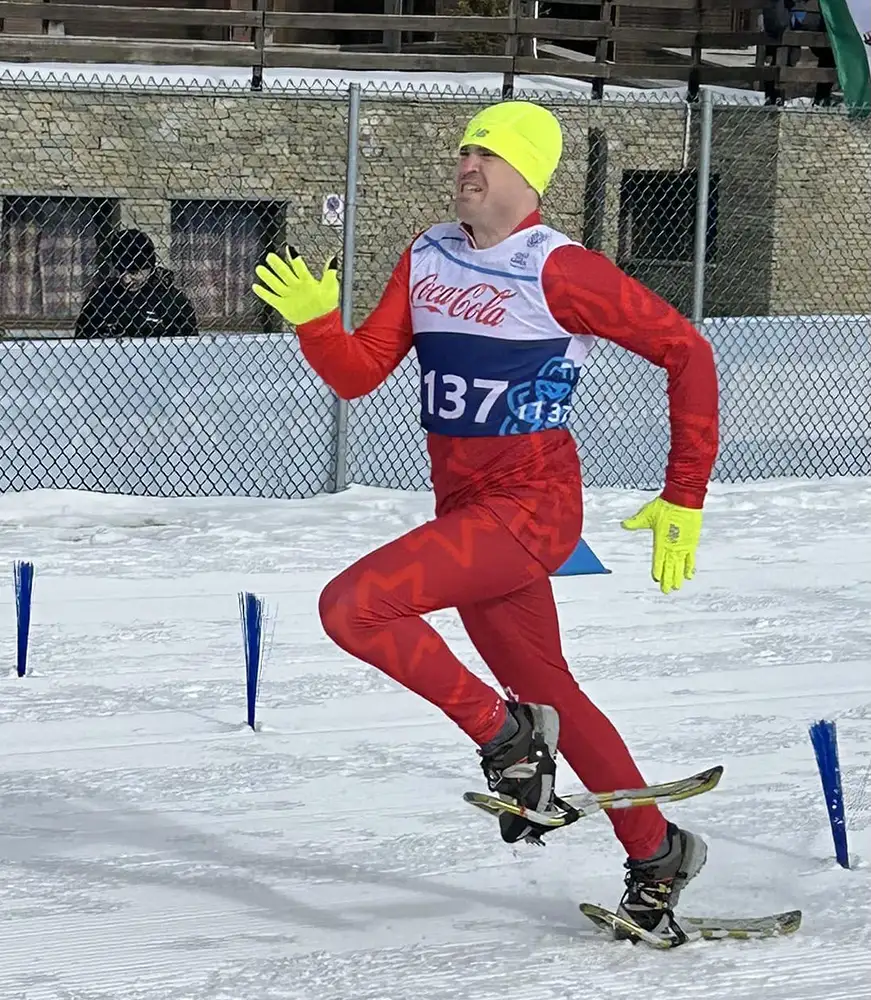
Geoff Dudding: We have had so many success stories over the years with our athletes and coaches here in Ottawa! Earlier this year, one of our athletes, Gaerrisen Freeland — a three-time gold medalist from the Special Olympics World Winter Games in 2025 — was recognized as the Special Olympics Athlete of the Year at the Ottawa Sports Awards.

ABOVE: Gaerrisen Freeland (Photo: Rachel Mathews)

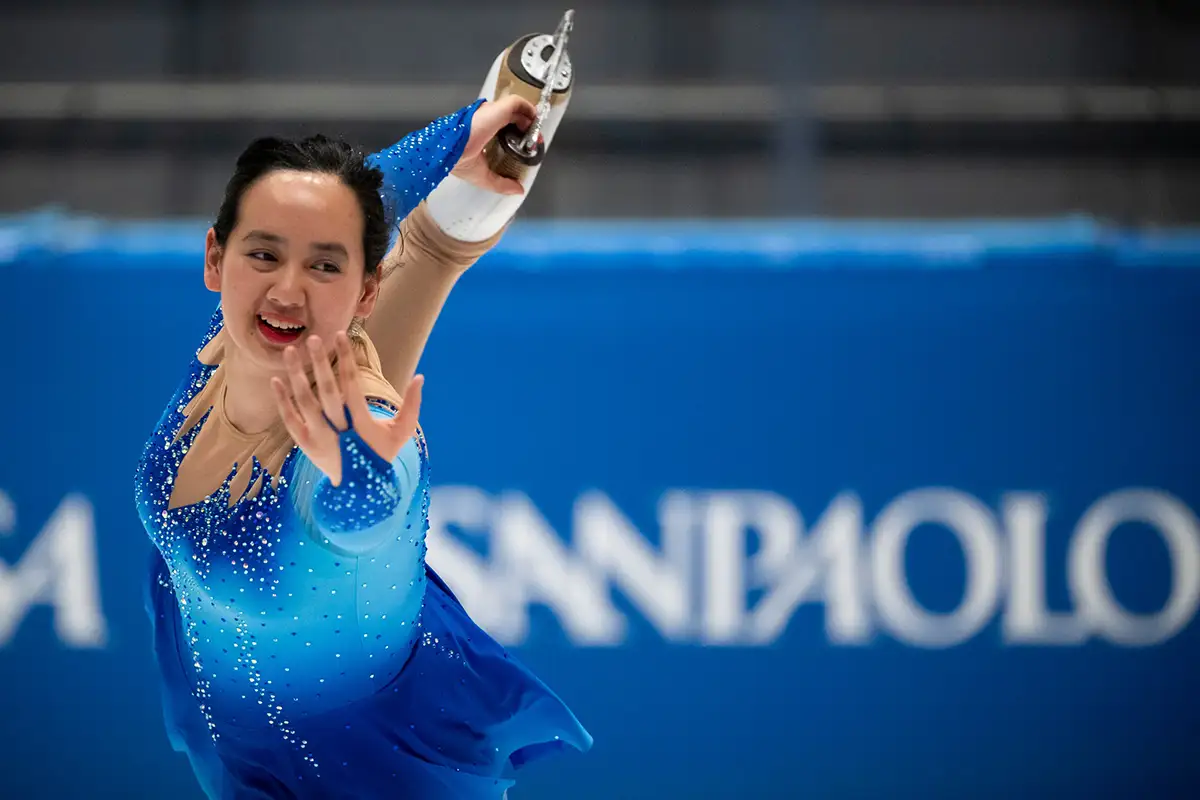
Another of our athletes, Katie Xu (pictured above), was recently inducted into the Nepean Sports Wall of Fame! Katie has won multiple medals in both swimming and figure skating at the provincial, national and world levels.

And one of our long-time softball coaches, Paul Blackmore, was recently named the Canadian Volunteer of the Year for the National Slo-pitch Association of Canada!

OLM: How long has the Ottawa chapter been active and how did the Special Olympics movement come into being generally?

Geoff Dudding: Special Olympics Ottawa was one of the earliest registered community programs, operating under the umbrella of Special Olympics Ontario (which was incorporated in 1979). Ottawa has always been a foundational program within the organization, and has been hosting major events and competitions since the early ’80s; Ottawa hosted the 2008 National Winter Games, which is still recognized today as one of the best games ever held.

The Special Olympics movement was launched in 1968 by Eunice Kennedy Shriver in Chicago. But the concept of Special Olympics competitions was inspired by the work of Canadian researcher Dr. Frank Hayden at the University of Toronto. In the early 1960s, Dr. Hayden was studying the effects of regular exercise on the fitness levels of children with an intellectual disability, and proved that given the opportunity, people with an intellectual disability could acquire the necessary skills to participate in sport and become physically fit.

Dr. Hayden’s work caught the attention of Ms. Kennedy Shriver, who had been running summer camps for individuals with an intellectual disability. Their collaboration led to the inaugural Special Olympics Games held at Soldier Field in Chicago on July 20, 1968, and from there a global grassroots movement was born, bringing community programs and competition opportunities to more than 4.5 million children, youth and adults with intellectual and developmental disabilities across 170 countries.

Photo of Katie Xu, courtesy Special Olympics Ottawa