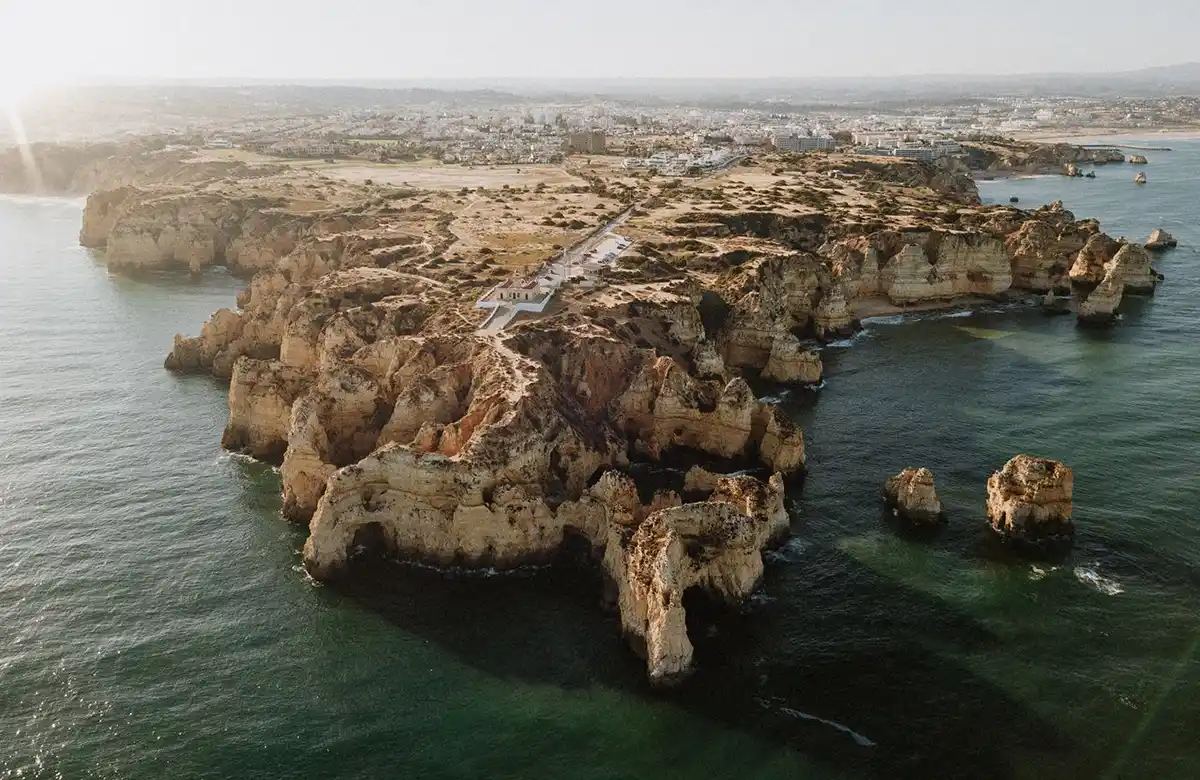
Coast of Portugal

  • By: Allen Brown

Walking the Algarve Coast In an Ottawa Winter

Ottawa does winter thoroughly. By late January the sidewalks have narrowed and the idea of a week somewhere warm arrives unprompted. Most people picture a lounger and a pool. A growing number picture a footpath instead.

Walking holidays are now one of the more popular ways Canadians spend a week abroad. Portugal’s southwest suits the idea, mostly because its season runs opposite to ours. An Algarve coastal hiking tour moves along clifftops above the Atlantic, flat enough to stay pleasant and remote enough to feel earned. That is one itinerary among many. The format is what deserves attention.

Why Do Canadians Now Travel to Walk?

Walking holidays once read as a retirement activity. That has changed. People in their 30s and 40s book them because a week of steady movement resets something a resort week does not touch.

A walking trip also gives shape to days that would otherwise blur. You know where you sleep and roughly how far you go.

Capital-region readers have a third reason:

• Local trails are frozen, buried or slushy from December into March.
• Skiing and snowshoeing cover part of that gap, but not the plain urge to walk on bare ground.
• Southern Europe stays comfortably walkable through the exact months Ontario does not.

What Does a Day On a Coastal Walk Look Like?

The rhythm is simpler than most people expect. Breakfast at the hotel, then you walk. Lunch is whatever you carried or whatever village happens to appear. You arrive mid-afternoon and your bag is already there.

A typical coastal day runs 4 to 6 hours of actual walking. That is not a forced march. It leaves room to stop at a viewpoint, detour down to a beach, or sit somewhere with a coffee.

Scenery does most of the work here. Cliffs on one side, farmland on the other, surf loud enough to hear all day. Anyone who has spent a week on the trails in Colorado will recognize the pattern straight away.

How Does a Self-Guided Itinerary Actually Work?

Point-to-point means you rarely sleep in the same place twice. You walk from village to village while a van moves your luggage ahead. That single detail is what makes the format workable.

Self-guided does not mean unsupported. The operator books the hotels in sequence, sets the daily stages, and hands over notes and GPS files. You then walk alone, or with whoever you brought.

What a self-guided package normally covers:

• Accommodation booked in order along the route.
• Luggage transfer between each stage.
• Route notes, maps and GPS tracks for your phone.
• A local contact number for the day something goes wrong.

Waymarking matters more than people assume. Portugal’s established coastal paths carry painted blazes on rocks and posts, and Europe’s best-maintained routes are certified under the European Hiking Federation’s quality standards. Carry the GPS track anyway, because sea fog and drifting sand both hide markers.

What Fitness Does This Honestly Need?

Less than you fear, and more than nothing. If you can walk 3 hours on a Saturday without regretting it, a flat coastal stage is within reach. The challenge is repetition rather than any single day.

What catches people out is the ground underfoot. Loose dune sand costs far more effort than the same distance on firm trail, and it works your calves hard.

Worth doing before you leave:

• Walk 3 or 4 days back to back at home, in the shoes you plan to wear.
• Carry the day pack you intend to bring, actually loaded.
• Test your rain gear, because Atlantic winter weather is genuinely wet.

Footwear ruins more days on these routes than any climb does. Break boots in months ahead, not the week before.

How Does the Atlantic Side Differ From the Resort Algarve?

Most Canadians who know the Algarve know its southern strip, with its sheltered water, hotel towns and marinas. The west coast is close to a different country.

The Vicentine Coast is a protected natural park along Portugal’s southwest edge. Protection is why the cliffs are still bare. Building was restricted here long before the rest of the region filled in.

Vila do Bispo, a village near the southwest tip, is the sort of place these routes pass through. A few hundred residents, a church, a handful of restaurants. In February you may be the only walkers who came through that week.

The ocean here is colder and rougher. That is the trade: emptiness and weather instead of warmth and comfort.

What Should Ottawa Travellers Sort Out First?

Flights are the honest obstacle. Nothing runs short from Ottawa to Portugal, so plan a connection through Toronto or Montreal and a travel day at each end. Budget roughly 10 days away from work for a walking week.

Season is the next decision. Winter on this coast is mild rather than hot, and it does rain. Late winter and early spring bring long daylight and green hillsides that vanish by summer.

Then comes guided versus self-guided. Some people want company. Others want to leave the hotel when they feel like it. Both cost about the same effort, and only one involves small talk at breakfast.

If a weekend already means a long hike along the St. Lawrence, you know whether you enjoy walking for its own sake. That is the only qualifying test that matters.

Frequently Asked Questions About Coastal Walking Trips

When Is the Best Time to Walk the Algarve Coast?

Late winter and spring suit the west coast best. Those months bring mild temperatures, wildflowers and very few other walkers. Summer is hot and exposed.

Do You Need a Guide On a Self-Guided Route?

No. Self-guided itineraries include maps, route notes and GPS tracks, and the main coastal paths are waymarked. A guide adds company and local knowledge rather than safety.

How Far Do You Walk In a Day?

Coastal stages commonly land between 10 and 20 kilometres. That works out to 4 to 6 hours at an unhurried pace. The flatter stages near Vila do Bispo sit at the easier end.

What Happens to Your Luggage Between Stages?

A van collects it from your hotel each morning and delivers it to the next one. You walk with a day pack holding water, snacks and a spare layer.

Booking a Winter Where You Keep Moving

The appeal is not really the destination. It is arriving somewhere under your own power, 5 days running, while home sits under snow. A coastal walk in February trades one kind of weather for another rather than escaping winter entirely.

Start with the calendar instead of the brochure. Pick the week you can genuinely take off, then find the itinerary that runs then. Fitness, gear and route choice all follow from that one date.

Photo: Rodolfo Fernandes, Pexels