• By: Allen Brown

What Tools Help Speed Up Water System Installations?

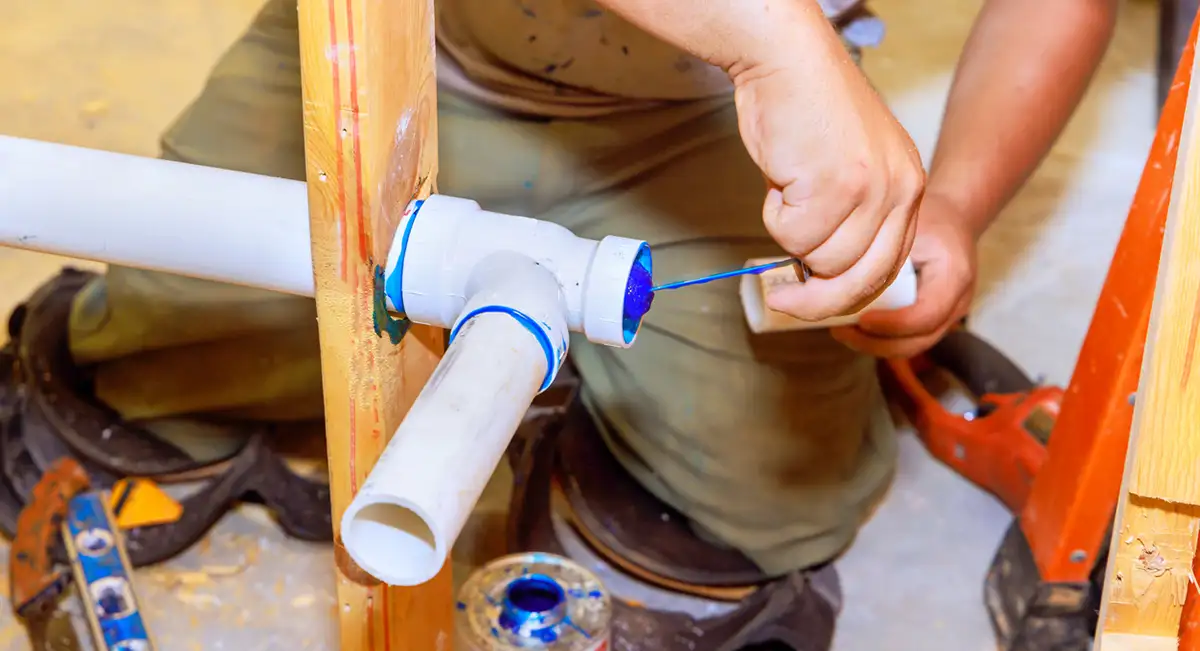
The right water system tools save time, money, and patience. A plumber tackling a commercial build or a homeowner upgrading old pipes will find that the tools you choose directly determine how fast the job gets done. Quality equipment doesn’t just save hours; it reduces rework, lowers the risk of leaks, and keeps your project on schedule from the first fitting to the final pressure test.

Speed in water system work isn’t about rushing. It’s about removing bottlenecks. We’ll cover tools that address the most common slowdowns in residential and commercial pipe installation, so you can work smarter at every stage.

Press-Fit Tools for Copper and PEX Pipe Connections

Press-fit technology has fundamentally changed how professionals approach pipe joining. A copper pipe press tool works by crimping a fitting onto a pipe with mechanical force, creating a watertight seal in seconds without flame, flux, or solder. That’s huge. No torch setup, no fire safety clearance, no waiting for joints to cool before pressure-testing. On a job with dozens of connections, those saved minutes add up to hours.

Press tools also reduce rework. A properly pressed joint passes inspection the first time more consistently than a hand-soldered one, especially in tight spaces where soldering technique often suffers. Most tools have an indicator that flags an incomplete press, so you catch the problem on the spot rather than during a leak test three days later. And here’s the thing: if you work with PEX as well as copper, many press tool kits include interchangeable jaw sets that handle both pipe types. That keeps your toolkit lean and your transitions between materials fast.

Pipe Cutters Designed for Speed and Precision

Slow or sloppy cuts create fitting alignment problems that compound throughout a job. A quality ratchet-style pipe cutter slices through copper, PEX, or CPVC cleanly in a fraction of the time that a hacksaw requires; it leaves a square, burr-free end that seats correctly in fittings without additional reaming. For high-volume work, look for models with replaceable blades so you don’t lose momentum mid-job.

For steel or cast-iron pipe, a powered pipe cutter or reciprocating saw with a metal-rated blade is worth the investment. These deliver cuts that a manual cutter simply can’t match, and they keep the work moving when you hit sections of older infrastructure. Pair your cutter with a deburring tool to clean up any rough edges before fittings go on; even small burrs can compromise press-fit or push-fit connections and cause slow leaks that are difficult to trace.

Push-Fit Fittings and Installation Tools

Push-fit fittings rank among the fastest legitimate shortcuts in water system work. You insert the pipe, the fitting grabs it, and the connection holds pressure immediately. No crimping. No soldering. No waiting. For repair work or retrofits where speed is the priority, push-fit systems let you restore water service in minutes rather than hours. The tool that makes push-fit work even faster is a disconnect clip, which lets you release and reuse fittings during adjustments without damaging the pipe or the fitting itself.

On new construction, push-fit fittings work best in accessible locations where you might need to revisit the connection later. Many jurisdictions approve them for use inside walls, but confirm local code requirements before you close up a cavity. The biggest time advantage comes during rough-in, where multiple connections need to go in quickly, and the system gets pressure-tested before drywall goes up. In that window, push-fit tools let a single installer work at a pace that used to require two people.

Pipe Benders and Flexible Tubing Tools

Straight runs are simple. Corners, offsets, and obstacles are where installations slow to a crawl if you rely solely on elbows and fittings. A pipe bender removes most of those fittings from the equation. For copper tube, a hand-operated bender creates smooth, leak-free bends without kinking the pipe; it’s faster than measuring, cutting, and soldering a 90-degree elbow at every turn. The fewer joints in a system, the less time you spend on connections and the fewer potential leak points you create.

For PEX installations, the answer is different but equally fast. PEX’s natural flexibility means you can route it around obstacles without bending tools in most cases. A PEX support system with bend supports at corners keeps the tubing in position without the need for fittings. Look, this is one of the strongest arguments for PEX in retrofit projects, where routing pipe through existing framing and around insulation would take hours with rigid materials. The combination of flexible tubing and the right support hardware can cut rough-in time significantly on complex layouts.

Leak Detection and Pressure Testing Tools

Speed at installation means nothing if a callback for a leak undoes the work. Pressure testing equipment lets you confirm the system is sound before you close walls or pour concrete. A pressure gauge and test pump kit pressurize the system quickly; you can read the results in minutes. If pressure holds, you move on. If it drops, you find the problem now rather than after the work is complete.

Electronic leak detectors and acoustic listening devices take it further by pinpointing the exact location of a slow leak without tearing into finished surfaces. For large commercial installations where the pipe network runs through slabs and ceilings, this equipment pays for itself on the first job it prevents you from tearing apart. Thermal imaging cameras serve a similar purpose, and their prices have dropped considerably in recent years, making them accessible for mid-sized contractors as well as large firms. Build good pressure testing habits into your routine, and callbacks become rare.

Conclusion

The tools that speed up water system installations attack three core problems: they reduce the number of steps each connection requires, catch problems before they become expensive, and let one installer do work that used to need two. Press tools, precise cutters, push-fit systems, pipe benders, and solid pressure testing equipment each solve a different bottleneck in the process. Invest in the right combination for the type of water system work you do most, and the time savings compound across every job.

Photo: iStock