Why Letting Go of Perfection Might Be the Real Gift

Christmas arrives each year carrying a promise of peace. But for many people, it now arrives tangled in expectations, exhaustion, and quiet pressure.

Somewhere along the way, we turned Christmas into a performance.

Perfect meals. Perfect gifts. Perfect families. Perfect moods.

A holiday meant to slow us down has become one more thing to manage. One more deadline. One more expectation to “make it magical.” We rush through stores, dinners, and conversations — and then wonder why it doesn’t feel the way it once did.

The uncomfortable truth is this: Christmas doesn’t feel different anymore because we don’t feel different anymore. We bring the same pace, the same stress, the same noise — right into the living room.

And it’s not hard to see why.

It has been a long few years — economically, politically, emotionally. People are tired in ways sleep doesn’t fix. Tired of uncertainty. Tired of division. Tired of always having to be “on.” Christmas now arrives in the middle of that fatigue.

For some, it’s joyful. For others, it’s complicated.

It’s the empty chair at the table. The relationship that didn’t survive the year. The plan that didn’t work out. The family dynamic no amount of gravy can solve.

If that’s you this Christmas, you’re not doing it wrong. You’re doing it honestly.

We don’t talk enough about this, but some of the most meaningful Christmases are the imperfect ones. The year the meal was simple. The year the gifts were modest. The year the conversation mattered more than the decorations.

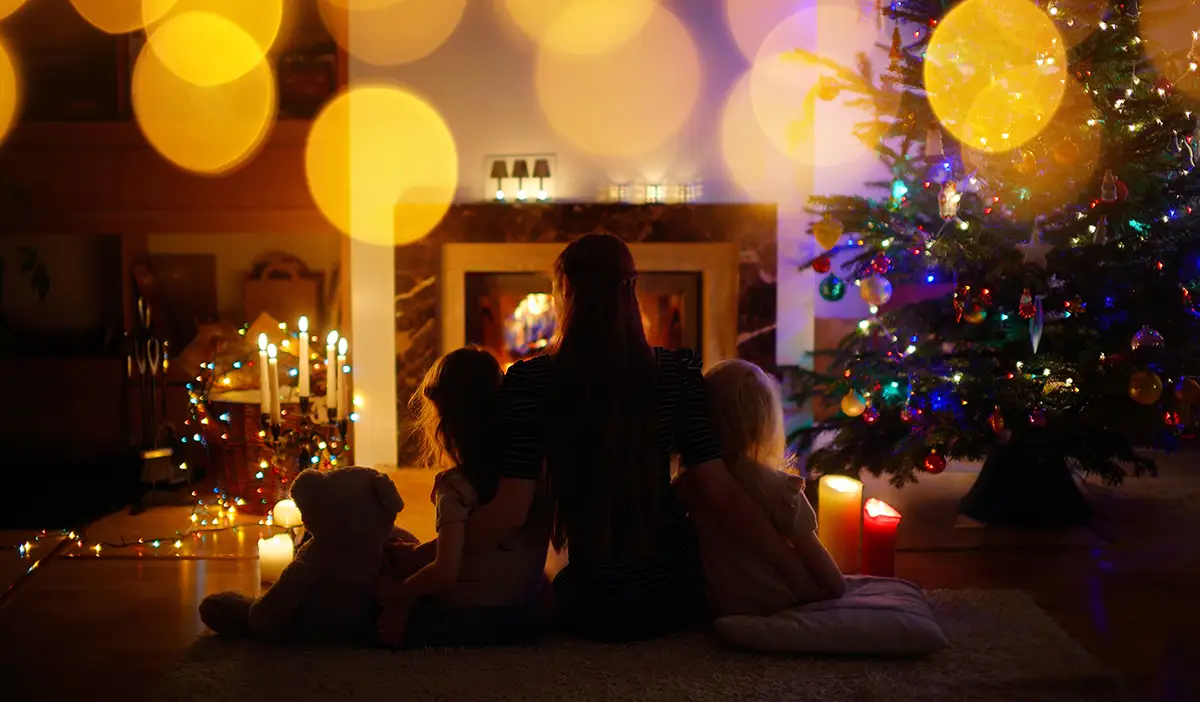
What we remember most isn’t what was under the tree. It’s who was in the room — and how it felt to be there. Did you feel welcome? Did you feel safe? Did you feel like you could exhale?

That’s the real currency of Christmas.

If there’s one thing worth reconsidering this year, it’s the idea that Christmas requires perfection. It doesn’t. It asks for presence.

One real conversation. One genuine phone call. One message you’ve been putting off.

Presence is the gift most people are quietly hoping for.

Peace, too, is often misunderstood. Peace isn’t silence. It isn’t avoiding conflict. And it isn’t pretending everything is fine. Peace is quieter than that.

Peace is being able to sit at a table without bracing yourself. It’s sleeping through the night without your mind racing. It’s not needing to prove anything to anyone.

Peace doesn’t arrive by accident. It arrives by choice.

Sometimes Christmas doesn’t ask what we want to add. It asks what we’re willing to release — old arguments, old resentments, old expectations that were never realistic to begin with. That doesn’t mean excusing bad behaviour or forgetting pain. It simply means not carrying everything into the room.

We often confuse strength with toughness — with pushing through, powering ahead, pretending we’re unaffected. But Christmas reminds us of a different kind of strength: the strength to soften, to pause, to be present without armour.

If you’ve been the strong one all year — the dependable one, the one everyone leans on — you don’t have to earn rest this week. You’re allowed a quieter Christmas. A simpler one. A gentler one.

As a new year approaches, many people are thinking about resolutions and goals. But perhaps the more important question isn’t, What do I want to achieve? It’s, How do I want to feel?

Calmer. Clearer. More grounded. More connected.

Because how we feel shapes how we live.

So here’s a modest Christmas invitation: be the calm person in the room. Be the generous listener. Be the one who lowers the temperature, not raises it.

Choose presence over performance. Choose kindness over being right. Choose peace — even if it’s imperfect.

Peace doesn’t make headlines.

But it makes life livable.