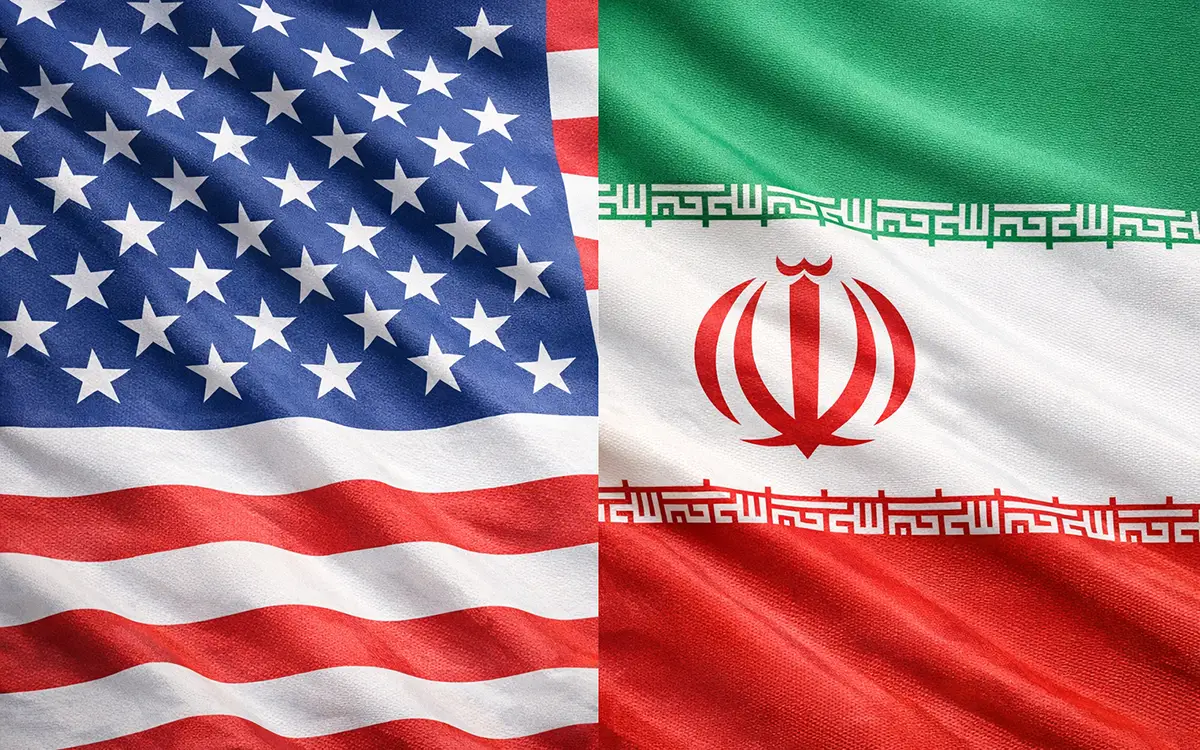
U.S.–Iran Conflict: Tactical Success, Strategic Uncertainty, and the NATO Gap

President Donald Trump addressed the American people this week with a message that was at once forceful and uncertain. He promised decisive action against Iran, hinted at negotiations, threatened escalation, and suggested that others might be left to manage the consequences. That combination is not a strategy. It is a signal of confusion at a moment when clarity is required.

The United States and Israel have achieved undeniable tactical success. Iran’s conventional military capabilities have been significantly degraded. Its leadership has been disrupted and its infrastructure damaged. By any conventional military measure, the campaign has been effective. But war is not decided by tactical results alone, and that is where the current approach begins to unravel.

Strategically, Iran is not losing. It has shifted the contest to terrain where Western power is less decisive. By constricting the Strait of Hormuz, it has imposed global economic pressure. By relying on missiles, drones, and proxies, it has expanded the conflict beyond traditional battlefields. Most importantly, it is leveraging time, knowing that Western political patience is finite while its own system is built to endure.

The greatest risk now is not battlefield defeat. It is strategic incompletion. A campaign that begins with force but ends without a defined outcome will leave the Iranian regime damaged but intact, weakened but not deterred. In that scenario, Tehran will draw the only conclusion that matters: survival is victory, and persistence pays. That is a lesson that will shape its future behaviour in dangerous ways.

Compounding this risk is the emerging fracture within the Western alliance. The suggestion that allies should independently secure the Strait, combined with threats to reconsider commitments to NATO, undermines the very framework that gives Western power its coherence. Major conflicts are not managed through improvisation. They are managed through alliances that align political will with military capability.

NATO is not an accessory to American power. It is its multiplier. At a moment when global markets are under stress and regional stability is at risk, the United States should be reinforcing allied cohesion, not testing its limits. The absence of visible allied integration in this conflict is not just a diplomatic gap. It is a strategic vulnerability that adversaries will exploit.

What is required now is discipline. The objective must be clearly defined and consistently pursued. Iran must be rendered incapable of using energy chokepoints, proxy networks, or nuclear ambition as tools of coercion. That requires not only military pressure but also a coordinated political framework that includes allies and establishes enforceable outcomes.

Wars are not won by declarations or damage assessments. They are won by securing conditions that endure after the fighting stops. 

The United States must finish what it has started with clarity, with allies, and with purpose, because if it does not, it will have demonstrated that even overwhelming power is no substitute for strategic resolve.

Photo: Copilot