Poilievre’s Speech: Preparing Canada in a Harder World

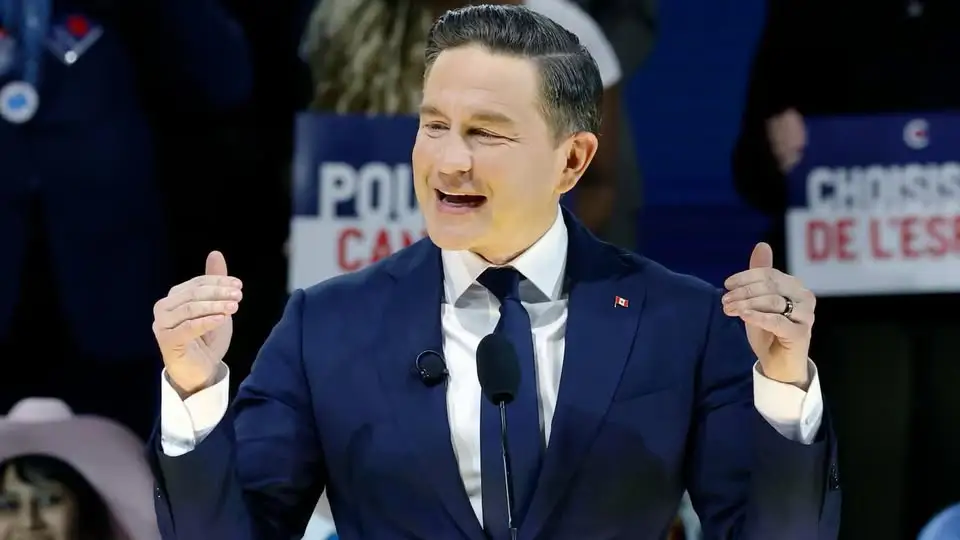
Pierre Poilievre’s speech at the 2026 Conservative Party National Convention did what it needed to do. It rallied the party, reinforced his authority, and reminded Conservatives why they chose him: his clarity, discipline, and unambiguous commitment to accountability and affordability. At a time when many political leaders mistake volume for leadership, Poilievre remains focused on substance.

But the next phase of his leadership will require something more demanding than critique. It will require stewardship. Canada is entering a period of real external risk. The re-emergence of American economic nationalism, the return of transactional diplomacy, and the looming renegotiation of CUSMA, the Canada–United States–Mexico Agreement free‑trade agreement, are not abstract threats. They are realities that will test Canada’s economic resilience, industrial capacity, and political maturity. Managing them will require more than opposition instincts. It will require a governing narrative grounded in competence, preparation, and execution.

Poilievre is well positioned to lead that shift if he chooses to broaden his frame. The temptation in Canadian politics is to treat external pressure, particularly from Washington, as a moral drama. To posture. To perform outrage. To turn complexity into grievance. That instinct may animate domestic audiences, but it weakens Canada’s negotiating position abroad. Serious countries do not respond to pressure with theatrics. They respond with leverage.

The correct response to American assertiveness is not indignation. It is preparedness. That means making the case clearly and consistently that Canada’s vulnerability is self-inflicted. Our exposure is the result of years of underinvestment in infrastructure, delayed project approvals, regulatory paralysis, and a hollowed-out industrial base. We did not lose leverage because others became stronger. We lost it because we chose drift over delivery.

This is where Poilievre’s leadership can evolve from effective opposition to a credible national alternative. CUSMA will not be renegotiated based on sentiment. It will be renegotiated on capacity. On whether Canada can move goods efficiently, approve projects on time, secure energy supply, defend its industrial interests, and meet its commitments. A Conservative narrative anchored in rebuilding that capacity would not only counter external threats but also restore confidence at home.

That narrative should be explicit. Canada does not need to escalate rhetoric to de-escalate pressure. It needs to demonstrate seriousness. It needs a government that understands that sovereignty in the modern world is exercised through competence. Through the ability to decide, to build, and to execute.

Poilievre already speaks fluently about the cost of living, housing, and productivity. The next step is to connect those domestic priorities to Canada’s external posture. Housing affordability depends on materials, labour mobility, and energy costs. Productivity depends on infrastructure, digital systems, and regulatory speed. Trade resilience depends on ports, pipelines, and power grids. These are not separate conversations. They are one.

By framing Canada’s economic renewal as a prerequisite for effective diplomacy, Poilievre can neutralize the politics of fear without minimizing real risk. He can reject anti-American reflexes without appearing naive. And he can present Conservatism not as protest, but as preparation.

This approach also draws a clear contrast with the current government. Where Liberals respond to pressure with symbolism, Conservatives can respond with systems. Where others manage narratives, Poilievre can commit to rebuilding capacity. Where rhetoric substitutes for results, he can insist on delivery.

That is not a change in values. It is an expansion of responsibility. Canadians are not looking for confrontation. They are looking for confidence. They want to know that their country is being run by adults who understand how power works, how trade is negotiated, and how institutions must perform in a competitive world.

Poilievre has earned the right to lead that conversation. The convention speech confirmed his authority within the party. The challenge now is to translate that authority into a national governing story. One that prepares Canada not just to protest the future, but to manage it.

In the months ahead, seriousness will matter more than slogans. Capacity more than outrage. Execution more than performance. That is the terrain on which the next election will be won or lost.


Editor’s Note: Following his speech, Conservative Leader Pierre Poilievre easily passed his leadership review, earning 87.4 per cent support from delegates.

PHOTO: Via @patriotcanadians